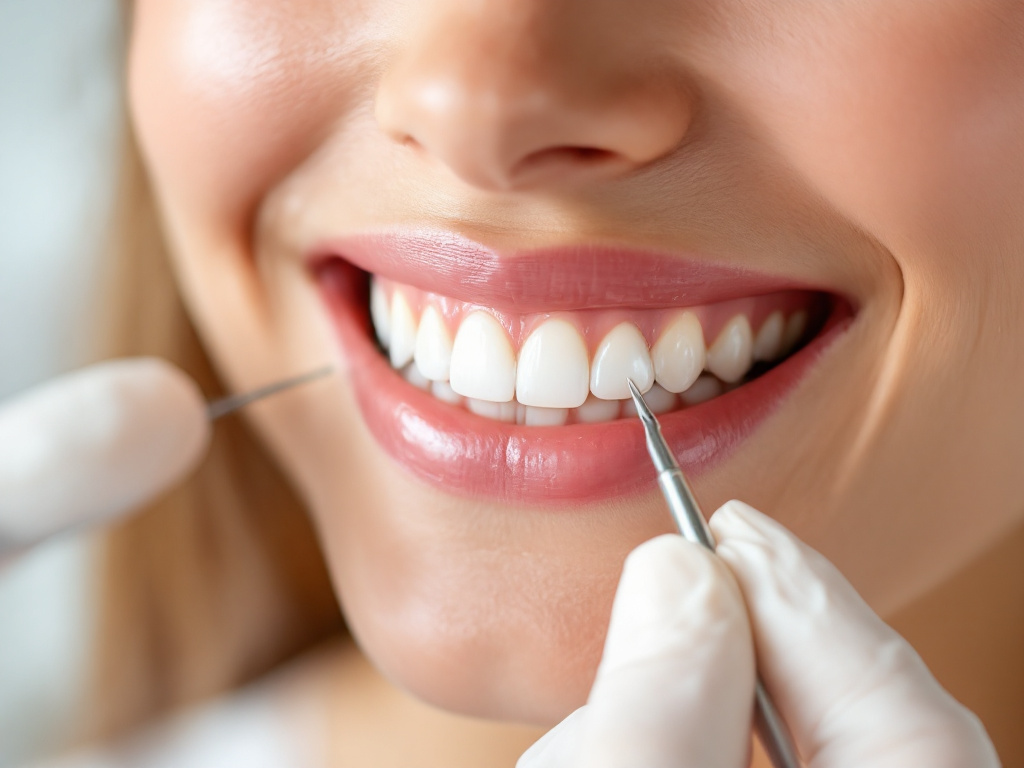
Understanding veneers and bonding
When you’re exploring veneers and bonding services to enhance your smile, you may wonder which option best fits your goals and lifestyle. Veneers and bonding services cover a spectrum of cosmetic dental treatments designed to correct chips, gaps, discoloration, and minor misalignments. By understanding how each procedure works, you can make informed decisions about your smile enhancement journey.
Dental veneers are ultra-thin shells—made from porcelain or composite resin—that are permanently bonded to the front surfaces of your teeth. They mask imperfections and can dramatically transform the size, shape, and shade of your teeth in just a few visits. In contrast, cosmetic bonding uses a tooth-colored resin to sculpt and repair minor issues like small chips or cracks in a single dental appointment.
Key benefits of each treatment:
- Veneers
- Natural appearance and translucency
- Excellent stain resistance
- Lasts 10 to 15 years with proper care [1]
- Bonding
- Minimally invasive, often no enamel removal
- One-visit treatment
- Cost-effective for minor corrections
Whether you’re considering a full smile makeover or targeting specific problem areas, the right choice depends on your cosmetic goals, budget, and oral health. As you read on, you’ll learn about material differences, procedural steps, care requirements, candidacy criteria, and how you can combine treatments like teeth whitening and gum contouring cosmetic services to achieve your ideal look.
Comparing materials and longevity
When you compare porcelain veneers, composite resin veneers, and bonding, material characteristics and lifespan play a major role in your decision.
Porcelain veneers lifespan
Porcelain veneers stand out for their durability and stain resistance. Crafted from high-strength dental porcelain, they mimic the light-reflecting properties of natural enamel. On average, porcelain veneers last 10 to 15 years [1], and in some cases up to 20 years with meticulous care [2]. Their resistance to coffee, tea, and red wine staining makes them ideal if you enjoy pigmented beverages.
Composite resin veneers lifespan
Composite resin veneers are made by layering a tooth-colored composite directly onto your teeth. They typically last 5 to 7 years before requiring touch-ups or replacement. Composite veneers cost less up front—often between $250 and $1,500 per tooth [3]—but they are more prone to chipping and discoloration over time.
Bonding lifespan
Cosmetic bonding resin is generally less durable than veneers and can chip, wear down, or stain more easily. You can expect bonding treatments to last 5 to 10 years, depending on oral habits and maintenance [3]. Still, bonding remains an affordable, quick solution for minor aesthetic concerns.
| Treatment | Material | Lifespan | Cost per tooth | Stain resistance |
|---|---|---|---|---|
| Porcelain veneers | Dental porcelain | 10–15 years | $1,000–$2,500 | High |
| Composite veneers | Resin composite | 5–7 years | $250–$1,500 | Moderate |
| Cosmetic bonding | Tooth-colored resin | 5–10 years | $100–$400 | Low |
Understanding these material and longevity factors will help you balance upfront costs against long-term value when you plan your smile transformation.
Reviewing procedure steps
Each cosmetic dental treatment follows a unique process. Knowing the steps involved helps you anticipate time, appointments, and preparation.
Veneer preparation process
- Initial consultation and cosmetic dental evaluation
- Tooth preparation, including enamel removal (around 0.5 mm)
- Impressions or digital scans for custom fabrication
- Temporary veneers placed while lab crafts final shells
- Bonding the final porcelain veneers with dental cement and UV curing
- Final adjustments for comfort and appearance
Porcelain veneer placement often takes two to three appointments. Alternatively, some offices offer in-office CAD/CAM systems for same-day veneers [4].
Bonding application process
- Shade selection to match your natural teeth
- Etching the tooth surface for adhesion
- Layering composite resin and sculpting to the ideal shape
- Curing with a special light
- Polishing for a seamless finish
Most bonding services are completed in one visit, making cosmetic bonding a non invasive cosmetic dentistry option. It’s popular for quick fixes like closing small gaps or repairing minor chips.
No-prep veneers option
No-prep or minimal-prep veneers (like Lumineers) may require little to no enamel removal. They can be applied in fewer visits and often without anesthesia. Although less invasive, no-prep veneers may not correct certain alignment issues and can appear bulkier if not carefully managed.
Caring for your enhancements
Proper care ensures your veneers and bonded teeth remain vibrant and functional for years.
Oral hygiene practices
- Brush twice daily with a soft-bristle toothbrush
- Floss daily to remove plaque around margins
- Use non-abrasive toothpaste to avoid wearing surfaces
- Rinse with an antibacterial mouthwash to reduce gum irritation
Regular check-ups and professional cleanings at your cosmetic dental clinic help monitor fit, detect early wear, and maintain oral health.
Dietary considerations
Certain habits can shorten the lifespan of your restorations:
- Avoid chewing ice, hard candies, or pens
- Limit acidic foods that can erode bonding material
- Rinse or brush after consuming pigmented drinks such as coffee, tea, or red wine
Wearing a custom nightguard can protect veneers and bonded teeth if you have bruxism or grinding concerns.
Professional maintenance
Plan routine visits every six months or as recommended by your dentist. Maintenance may include:
- Polishing and re-sealing edges of bonded areas
- Checking for chipping or fit issues in veneers
- Adjusting bite to ensure even pressure distribution
Professional care not only preserves aesthetics but also prevents complications that could lead to replacement.
Considering candidacy and cost
Finding out if you’re a good candidate and understanding expenses helps set realistic expectations.
Ideal candidate criteria
Good candidates for veneers and bonding services generally:
- Have overall healthy teeth and gums
- Exhibit cosmetic issues like minor chips, discoloration, or small gaps
- Understand enamel removal is irreversible for traditional veneers
- Can maintain excellent oral hygiene
Patients with severe misalignment or thin enamel may require orthodontics or cosmetic crown dentistry instead. A personalized consultation with a smile design dentist will determine the best approach.
Treatment costs breakdown
| Treatment | Typical cost | Number of visits | Insurance coverage |
|---|---|---|---|
| Porcelain veneers | $800–$2,500/tooth | 2–3 | Rarely covered |
| Composite veneers | $250–$1,500/tooth | 1–2 | Rarely covered |
| Cosmetic bonding service | $100–$400/tooth | 1 | Sometimes partial for repairs |
Most cosmetic procedures are considered elective, meaning insurance usually won’t cover them. However, bonding for functional fixes may qualify for partial coverage. Check with your provider before scheduling.
Insurance and financing
- Ask your practice about in-house financing or third-party plans
- See if a flexible spending account (FSA) or health savings account (HSA) can be used
- Obtain pre-treatment estimates to avoid surprises
Combining cosmetic treatments
Maximizing your results may involve multiple procedures that complement veneers and bonding services.
Whitening and veneers
Starting with teeth whitening enhances uniformity between natural teeth and restorations. Many offices offer a whitening & veneers package to optimize shade matching and reduce the number of shade adjustments later.
Contouring and bonding
Gum contouring cosmetic can balance your gum line before placing veneers or bonding. Slight reshaping of soft tissue creates a more symmetrical frame for your smile. After healing, bonding can fill gaps seamlessly along the new margin.
Smile design integration
Digital smile design allows you to preview your results before any irreversible steps. Working with a digital smile design or custom smile makeover expert ensures that your esthetic dental treatment aligns with facial features and proportions. Incorporating insights from esthetic dentistry, you achieve a personalized, harmonious outcome.
Consulting with your dentist
Your dentist is your partner in achieving a confident, long-lasting smile.
Digital smile design
With modern digital tools, you can visualize your smile’s final look. Simulations help refine tooth shape, length, and color. This step is critical when you plan a comprehensive cosmetic smile makeover.
Personalized cosmetic evaluation
During your first visit, your dentist conducts a full oral exam and discusses:
- Your aesthetic goals and lifestyle habits
- Oral health status including gum health and enamel thickness
- Potential risks, benefits, and alternatives
This cosmetic dental evaluation lays the groundwork for a tailored treatment plan.
Treatment planning tips
- Prepare a list of questions about maintenance, revisions, and warranty
- Review before-and-after photos of similar cases
- Discuss options like non invasive cosmetic dentistry if you seek minimal tooth alteration
- Establish realistic timelines and budget expectations
By collaborating closely with your dentist, you ensure that veneers and bonding services meet your aesthetic goals and deliver a long-lasting, confident smile.
Your journey to a brighter, more attractive smile begins with understanding the nuances of veneers and bonding. Armed with knowledge about materials, procedures, care, and cost, you’re ready to consult your dentist and design the perfect smile enhancement plan.