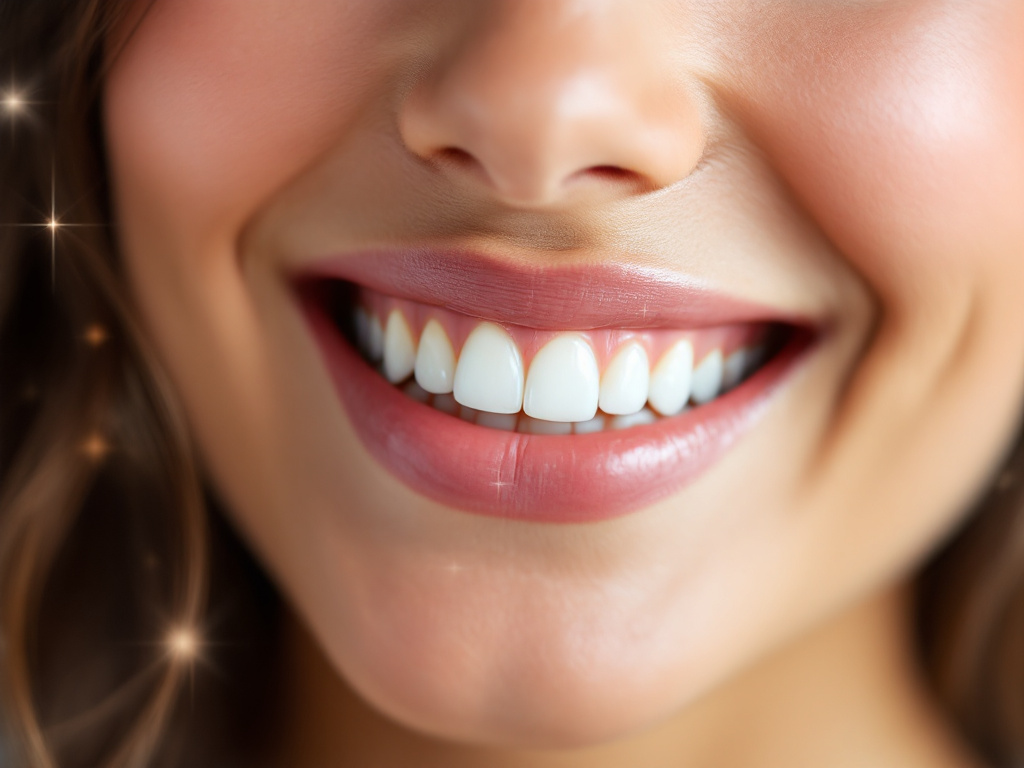
Teeth whitening overview
If you’re looking to brighten your smile, a teeth whitening treatment is one of the most effective cosmetic dental procedures available. Whether you opt for an at-home kit or professional in-office bleaching, whitening can lift years of stains and discoloration. In this article, you’ll learn how whitening works, explore your treatment options, and discover how to maintain a vibrant, confident smile.
Teeth whitening treatment uses bleaching agents—typically hydrogen peroxide or carbamide peroxide—to break down chromogens, the compounds responsible for tooth discoloration. Some methods rely on sanding away surface stains, while others employ LED or ultraviolet light therapy to accelerate bleaching [1]. With proper guidance, you can choose a safe approach that fits your lifestyle and aesthetic goals.
Mechanisms behind whitening
Understanding how whitening works helps you set realistic expectations and avoid potential pitfalls. Whitening targets two types of stains: extrinsic and intrinsic.
External vs intrinsic stains
- Extrinsic stains sit on the tooth surface and result from coffee, tea, red wine, tobacco, and artificial food colorings.
- Intrinsic stains develop within enamel and dentin. Causes include aging, thinning enamel, antibiotic use, excessive fluoride, or genetics [1].
Role of bleaching agents
Bleaching gels contain hydrogen peroxide or carbamide peroxide. When applied to teeth, these agents release oxygen molecules that penetrate enamel and break large, colored chromogens into smaller, less visible molecules. This chemical reaction is the foundation of most whitening products [2].
Light-activated therapies
Some professional treatments use LED or UV light to accelerate the bleaching process. Light energy activates peroxide molecules, speeding the breakdown of stains. While studies show light can enhance brightness, results vary and may require multiple sessions to achieve dramatic effects [1].
Whitening method options
You can choose between at-home kits and professional treatments based on your budget, time, and desired speed of results.
At-home kits
At-home whitening products typically use lower concentrations of bleaching agents. You’ll see results over days or weeks with consistent use.
Whitening strips and gels
Strips coated with peroxide gel adhere to teeth for 30–60 minutes daily. They’re easy to use, but fit and coverage vary, and improper placement can irritate gums [3].
Tray-based whitening systems
Custom or boil-and-bite trays hold bleaching gel against teeth for several hours or overnight. These systems offer more uniform coverage than strips and can be cost-effective for repeat use [4].
Whitening toothpaste and rinses
These products use mild abrasives or low-level peroxide to polish surface stains. Results are gradual and best for maintenance rather than dramatic whitening.
Professional treatments
Professional whitening delivers faster, more predictable results under dentist supervision.
In-office bleaching sessions
Your dentist applies a high-concentration peroxide gel (25–40%) and protects gums with a barrier. A special light may be used to activate the gel. In one 30–60 minute session, you can lighten teeth by several shades [5].
Dentist-provided take-home kits
Dentists supply customized trays and stronger carbamide peroxide gel (10–20%). You wear trays daily for 1–2 weeks, achieving results similar to in-office treatment at a slightly slower pace [6].
| Method | Setting | Agent concentration | Duration | Cost range | Typical results |
|---|---|---|---|---|---|
| Whitening strips | At home | 3–10% H₂O₂ | 14 days, daily use | $20–$50 | Days to weeks |
| Tray-based systems | At home | 10% carbamide | 2–4 weeks, daily use | $50–$200 | Days to weeks |
| In-office bleaching | Dental office | 25–40% H₂O₂ | 30–60 minutes | $300–$800 | Immediate to days |
| Dentist take-home kits | Home + dentist | 10–20% carbamide | 1–2 weeks, daily use | $200–$400 | 1–2 weeks |
Safety and side effects
Most whitening treatments are safe when used as directed, but temporary issues can arise.
Common side effects
- Tooth sensitivity, especially to cold or heat
- Gum irritation or mild inflammation
- Uneven whitening on restorations (crowns, veneers)
Risk factors and prevention
- Follow product instructions and avoid overuse [1].
- Use desensitizing toothpaste containing potassium nitrate.
- Apply gel only on teeth, not on gums or soft tissue.
Who should avoid whitening
- Pregnant or nursing women
- Children under 16 without dentist supervision
- People with existing gum disease, cavities, or exposed dentin [7].
Consult your dentist to confirm you’re a good candidate before starting treatment.
Preparing for treatment
Proper preparation maximizes your whitening outcome and minimizes complications.
Dental evaluation necessity
Schedule a cosmetic dental evaluation to assess oral health. Your dentist will identify cavities, gum disease, or enamel defects that should be treated before whitening.
Oral hygiene optimization
- Brush twice daily with a soft-bristle brush
- Floss daily to remove plaque and surface stains
- Schedule a professional cleaning to ensure a clean surface for bleaching
Aftercare and maintenance
Maintaining your bright smile requires ongoing care and occasional touch-ups.
Daily care routines
- Brush twice daily with whitening toothpaste
- Rinse after consuming stain-causing foods or drinks
- Avoid tobacco and excessive coffee, tea, or red wine
Long-term strategies
- Attend professional cleanings every six months
- Use a straw for dark beverages to reduce contact with teeth
- Incorporate stain-fighting mouthwash into your routine
Touch-up protocols
- At-home trays or strips once every 3–6 months
- Short in-office boosters as recommended by your dentist
Cost and treatment value
Understanding cost helps you plan your budget and get the best value.
At-home cost considerations
At-home kits range from $20 to $200. You control frequency and duration, but results take longer and may be less dramatic.
Professional service fees
In-office whitening costs $300–$800 per session, while dentist-provided take-home kits run $200–$400. Higher upfront cost delivers faster, more predictable results.
Insurance and financing
Most dental insurance plans consider whitening a cosmetic procedure and do not cover it. Ask your dental office about in-house financing, payment plans, or membership programs.
Complementary cosmetic services
You can combine whitening with other cosmetic dentistry services for a complete smile makeover.
Veneers and bonding
Enhance shape, size, and color uniformly with porcelain veneer placement or dental bonding service. Combining whitening and veneers ensures the best match for natural teeth.
Gum contouring and crowns
A balanced gum line from gum contouring cosmetic frames your new white smile. For damaged or heavily restored teeth, consider cosmetic crown dentistry.
Smile design enhancements
Work with a smile design dentist to plan a whitening & veneers package or a custom smile makeover. Digital tools in digital smile design clinics show you before and after simulations.
Choosing your provider
Selecting the right professional ensures safety and satisfaction.
Assessing credentials
Look for dentists with credentials in esthetic dentistry or non invasive cosmetic dentistry. Verify they use ADA-approved products and follow best practices.
Clinic technology and methods
A reputable cosmetic dental clinic invests in up-to-date bleaching systems and protective measures. Ask about light-activated options versus conventional gel.
Patient reviews and support
Read testimonials on sites like Yelp or Google. A confidence smile dentist will welcome questions and provide clear aftercare instructions.
Whitening myths and FAQs
- How long do results last?
In-office results can last up to three years with proper care, while at-home treatments often require touch-ups every 4–6 months [5]. - Will whitening damage my enamel?
When used correctly, peroxide-based whitening does not increase cavity risk or weaken tooth structure [2]. - Can I whiten crowns or veneers?
No. Restorations do not respond to bleaching. Discuss replacements or color-matched options with your dentist. - Is whitening painful?
Some patients experience temporary sensitivity that resolves within 48 hours [8]. - Are home remedies effective?
Avoid unproven methods like baking soda, apple cider vinegar, or charcoal—they can erode enamel and harm gums [2].
By understanding how teeth whitening treatment works, weighing your options, and partnering with a qualified provider, you can achieve a brighter, more confident smile that lasts.