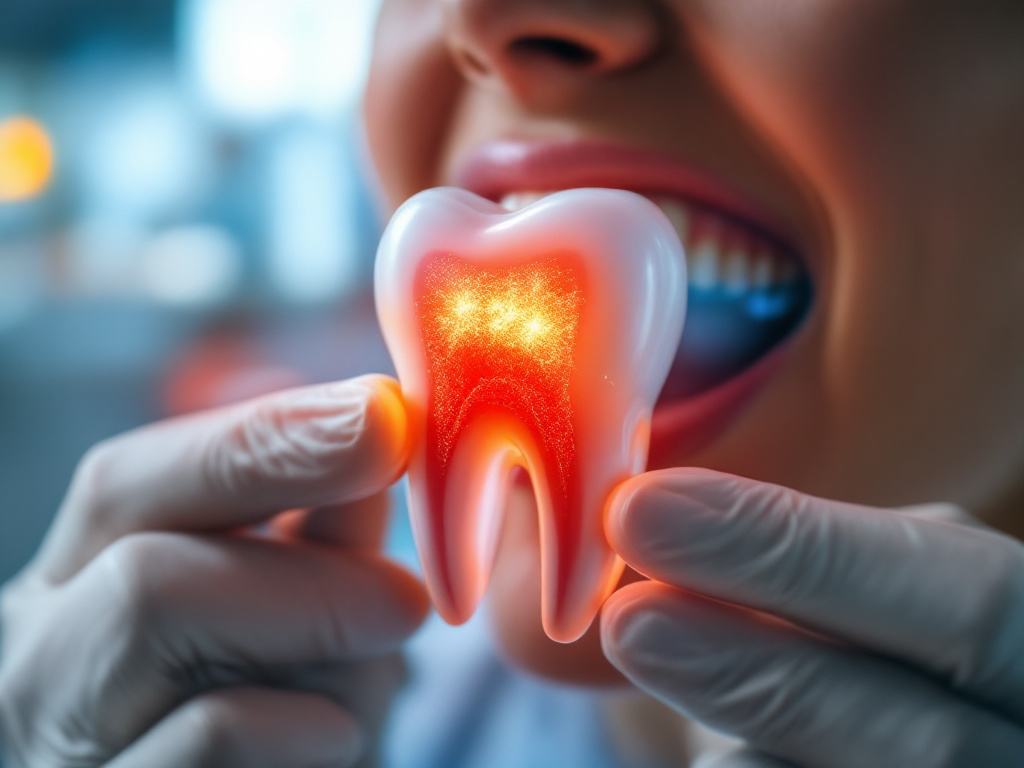
Understanding an emergency root canal
When you are in severe tooth pain, an emergency root canal can sound intimidating. In reality, it is often the safest and fastest way to stop the pain, save your tooth, and prevent a dangerous infection from spreading. An emergency root canal is an urgent dental procedure used when a tooth is badly infected or damaged and you need relief right away.
During this treatment, your dentist removes the infected or inflamed pulp from inside the tooth, disinfects the canal spaces, and seals them to stop the infection and protect the tooth. Modern root canal procedures are designed to relieve pain, not cause it, and with effective anesthesia they are usually no more uncomfortable than getting a filling, as resources from the American Association of Endodontists explain.
If you are dealing with sudden, intense tooth pain, facial swelling, or a broken tooth, understanding how an emergency root canal works can help you choose treatment with more confidence and less fear.
When an emergency root canal is your best option
Not every tooth problem needs an emergency root canal, but there are specific situations where this procedure is clearly the best choice for protecting your health and your smile.
Severe tooth infection and pain
An emergency root canal is usually recommended when the soft inner tissue of your tooth, called the pulp, is infected or badly inflamed. This pulp contains nerves and blood vessels, so when bacteria invade this space, the pain can become extreme and constant.
You may need an emergency root canal if you notice:
- Severe, throbbing tooth pain that makes it hard to sleep, eat, or focus
- Pain that gets worse when you chew or apply pressure
- Lingering sensitivity to hot or cold that lasts longer than 30 seconds
- Pain that does not improve with over the counter pain relievers
These are clear warning signs that the infection has reached the nerve of the tooth and cannot heal on its own. In this situation, a root canal is usually more effective than simply taking antibiotics or pain medicine, because it removes the source of the infection inside the tooth.
If you are in this kind of pain, you can reach out for dental emergency services or schedule an urgent dental appointment so you can be assessed quickly.
Swelling, abscess, or “pimple” on the gums
Sometimes a tooth infection spreads beyond the tooth root into the surrounding bone and gums. This can lead to:
- Swollen, tender gums near one tooth
- Facial swelling on the cheek or jaw
- A pimple like bump on the gums that may drain pus
- A bad taste or odor in your mouth that does not go away
These symptoms often indicate an abscess, which is a pocket of pus caused by bacterial infection. Left untreated, an abscess can lead to bone loss around the tooth, severe pain, and in rare cases, serious systemic infection affecting other organs.
In this situation, an emergency root canal is usually the best step to remove the infection, allow the area to drain and heal, and preserve the tooth.
For fast help with this kind of problem, you can contact a dental pain relief clinic or a walk-in emergency dentist.
Traumatic injury, cracks, and broken teeth
Accidents, falls, and sports injuries can crack or break a tooth deeply enough to expose the pulp. You might notice:
- A visible crack or piece of tooth missing
- Sudden pain when biting down
- Sharp pain when air, cold, or hot hits the tooth
- A tooth that has changed color after trauma, turning gray or dark
When the pulp is exposed or damaged by trauma, bacteria can enter quickly and cause infection. Endodontic practices report that emergency root canal therapy is often needed in these cases to stabilize and save the tooth and protect the root and surrounding bone.
If you have broken or cracked a tooth, especially in an accident, you can seek broken tooth repair urgent or chipped or cracked tooth repair right away. In many cases, your dentist will recommend an emergency root canal along with a crown to restore strength and function.
When retreatment is urgently needed
Sometimes a tooth that had a root canal in the past can become painful or infected again. This may happen if:
- New decay forms around an old filling or crown
- A crack develops in the tooth
- Complex root anatomy allowed a small amount of bacteria to remain
If you notice renewed pain, swelling, or a pimple on the gums around a previously treated tooth, an emergency root canal retreatment can remove the new infection and protect the tooth from extraction. In many cases, retreatment involves two visits about a week apart to clean, disinfect, and then reseal the canals, which helps reduce the risk of flare ups.
Why prompt treatment matters for your health
Delaying needed root canal treatment can turn a manageable problem into a serious dental and medical issue. Once bacteria reach the pulp, they have a protected space inside the tooth and root where they can multiply rapidly.
If you postpone care, you increase the risk of:
- A larger, more painful abscess
- Spread of infection into your jawbone and facial spaces
- Bone loss around the tooth, which can make saving it harder
- Infection spreading through your bloodstream and affecting other parts of your body
Resources on emergency root canals describe how these infections can become dangerous if neglected, sometimes leading to hospitalizations and complicated care. Emergency root canals are considered true dental emergencies because the tooth is essentially dying, and delays make it more likely that extraction will eventually be necessary.
Choosing an emergency root canal early often means:
- Faster pain relief
- A simpler, more predictable procedure
- A higher chance of saving your natural tooth
- Lower overall cost compared with replacing an extracted tooth
If you are not sure whether your situation is urgent, you can call an emergency dental clinic or check local emergency dental open hours to get professional guidance the same day.
What actually happens during an emergency root canal
Understanding the steps of an emergency root canal can ease a lot of anxiety. Modern techniques and anesthesia are designed to keep you comfortable throughout the visit.
Step 1: Diagnosis and numbing
Your visit begins with:
- A thorough exam and medical history
- X rays to see the root structure and the extent of infection
- Testing the tooth’s response to temperature and pressure
Once your dentist confirms that an emergency root canal is needed, the area is numbed with local anesthesia. This blocks pain signals from the tooth and surrounding tissues. According to modern endodontic guidance, when anesthesia is effective you should feel pressure and movement but no sharp pain during the procedure.
A small flexible sheet called a dental dam is usually placed around the tooth to keep it dry and free of saliva. This also prevents bacteria from your mouth from entering the tooth during treatment.
Step 2: Accessing and cleaning the canals
Next, your dentist:
- Creates a small opening in the top or back of the tooth with a dental handpiece
- Locates the canal spaces where the pulp is located
- Uses thin instruments called files to remove the infected or inflamed pulp and shape the canals
- Rinses the canals several times with antiseptic solutions to disinfect them
If the infection is severe, your dentist may also place a medication inside the tooth and, in some situations, give you a prescription for antibiotics to support healing.
Step 3: Filling and sealing the tooth
Once the canals are thoroughly cleaned and dried, they are filled with a biocompatible material, often gutta percha. This is gently compacted to fill the internal spaces and then sealed with an adhesive cement.
The opening in the tooth is then closed with a temporary or permanent filling. In emergency situations, you may receive a temporary filling first and return for a permanent restoration once the infection is fully resolved.
A typical root canal on a non molar tooth takes around an hour. Molars, which have more canals, may take about an hour and a half. Most emergency treatments are completed in a single same day visit.
How your tooth is restored after treatment
A tooth that has had an emergency root canal is saved from extraction, but it is also more fragile because the internal nerve and blood supply are removed. To protect and strengthen it, your dentist will recommend a restoration.
Common options include:
- A custom dental crown that covers the entire tooth
- An inlay or onlay that reinforces the biting surface and sides
- Occasionally, a strong filling in less damaged teeth
These restorations are designed to be durable and natural looking. After treatment, the tooth should function like your other teeth and be visually indistinguishable, allowing you to bite, chew, and speak comfortably.
If your emergency involved a broken or cracked tooth, your dentist may combine the root canal with emergency crown repair or other urgent dental repair services to restore your smile quickly.
Pain, comfort, and recovery
One of the biggest questions you may have is whether an emergency root canal will hurt. The reality is that the procedure is designed to remove the source of pain, not cause it.
During the procedure
With modern local anesthesia, you should remain comfortable throughout the treatment. You may feel:
- Pressure
- Vibration from the dental handpiece
- Some mild jaw fatigue from keeping your mouth open
You should not feel sharp pain. If you do, you can let your dentist know immediately so they can adjust the anesthesia.
After the procedure
It is normal to have some mild soreness or sensitivity in the treated area for a few days, especially when chewing. This is usually from inflammation in the tissues around the root rather than inside the tooth itself. Post procedure care commonly includes:
- Over the counter pain relievers such as ibuprofen or acetaminophen, taken only as directed by your dentist
- Cold compresses on the outside of your cheek to reduce any swelling
- A soft food diet for at least 24 hours, then gradually returning to normal eating as comfort improves
- Careful brushing and flossing, avoiding direct pressure on a temporary filling
More detailed advice on post root canal pain management, including avoiding extreme temperatures, sugar, and acidic foods, is provided in dental resources focused on pre and post treatment care.
If your pain gets worse instead of better, or if you notice increasing swelling or a new bad taste, you should contact your dentist or an emergency dental clinic right away. These can be signs that bacteria are still present and that further care is needed.
Risks, complications, and myths
Emergency root canals are common and have a high success rate. Millions of teeth are treated and saved each year using root canal therapy, and advances in technology have made the procedure safer and more predictable.
Possible complications
Complications are not common, but they can include:
- Persistent infection if some bacteria remain in a canal
- A hidden canal that was not initially cleaned and filled
- A fracture in the tooth that compromises its long term strength
- Loss or damage of a temporary filling or crown that exposes the inner tooth
If any of these occur, your dentist may recommend retreatment, a minor surgical procedure called an apicoectomy, or in some cases, extraction. The key is to contact a provider of painful tooth emergency care quickly if you notice new or worsening symptoms.
Addressing common myths
One persistent myth is that root canals are extremely painful. In the past, before modern anesthetics and techniques, this may have had some truth. Today, authoritative dental organizations emphasize that root canal treatment is similar in comfort to getting a routine filling and is performed under effective anesthesia.
Another myth is that root canals can cause cancer or other systemic diseases. This claim is based on outdated research from nearly a century ago that has been discredited. Current evidence shows no valid scientific link between root canal treatment and diseases elsewhere in the body.
Understanding these facts can help you feel more confident choosing an emergency root canal when it is recommended.
If your tooth is infected, the real danger usually comes from delaying treatment, not from the root canal procedure itself.
Emergency root canal vs extraction
When you are in severe pain, it can be tempting to ask to have the tooth removed. In some situations, extraction is the only option, but in many cases an emergency root canal offers more long term benefits.
| Option | Pros | Cons |
|---|---|---|
| Emergency root canal | Saves your natural tooth, maintains chewing function, prevents shifting of nearby teeth, often less costly long term than replacement | Requires time for treatment and restoration, tooth may eventually need retreatment or crown replacement |
| Emergency extraction | Rapid removal of infected tooth, sometimes necessary if tooth is too damaged to restore | Creates a gap, can affect chewing and appearance, nearby teeth may drift, replacement with implant or bridge adds cost and more treatment |
Your dentist will help you decide which option is best in your case. If the tooth is severely fractured below the gumline, has too little structure left to support a crown, or has advanced bone loss, an emergency tooth extraction with an urgent extraction dentist may be the most appropriate choice.
However, when the tooth can be saved, an emergency root canal usually provides a more natural and stable solution.
Costs and financing considerations
The cost of an emergency root canal can vary based on the tooth involved, the complexity of the infection, and your local area. Research indicates that in the United States, the typical cost without insurance ranges roughly from 700 to 1800 dollars per tooth, with molars usually at the higher end due to their more complex anatomy.
Dental insurance often covers a significant portion of root canal treatment, commonly between 50 and 90 percent of the fee, depending on your plan details. If you do not have insurance, it is important to ask about payment plans, in house savings programs, or third party financing that can make treatment more manageable.
When comparing costs, remember to factor in the long term value of keeping your natural tooth. Extraction followed by an implant, bridge, or partial denture can ultimately be more expensive and involve additional procedures.
When to contact an emergency dentist
You should seek urgent evaluation for an emergency root canal if you notice any of the following:
- Severe, throbbing pain that wakes you from sleep or makes it difficult to function
- Tooth pain that worsens when chewing or with hot or cold exposure and lingers after the stimulus is removed
- Swelling in your gums, face, or jaw, especially if it is spreading
- A pimple like bump on your gums that drains fluid or pus
- A tooth that suddenly turns gray, brown, or black after an injury
- A cracked, broken, or knocked tooth, especially with pain or sensitivity
If you are experiencing any of these symptoms, it is important not to ignore them. You can contact same day dental care or a walk-in emergency dentist for rapid assessment. Being seen quickly allows your provider to determine whether an emergency root canal, broken tooth repair urgent, tooth abscess treatment urgent, or another service is the right next step.
How Cloninger Dentistry supports your dental emergency
When you are in pain, you need care that is compassionate, efficient, and focused on relief. At Cloninger Dentistry, you have access to:
- Same day and urgent appointments whenever possible for severe tooth pain, cracked or broken teeth, and dental trauma
- Comprehensive evaluation to identify whether your tooth can be saved with an emergency root canal or if another treatment is more appropriate
- Immediate pain relief strategies from a dedicated toothache relief dentist and dental pain relief clinic
- Coordinated services for dental trauma care, urgent dental repair services, and emergency crown repair when damage is more extensive
If you are searching for an emergency dentist cloninger, you can be confident that your urgent needs will be taken seriously. Whether you require an emergency root canal, repair of a broken tooth, or guidance on the best way to relieve your pain, you can reach out for an urgent dental appointment and get the help you need to protect your oral health and comfort.