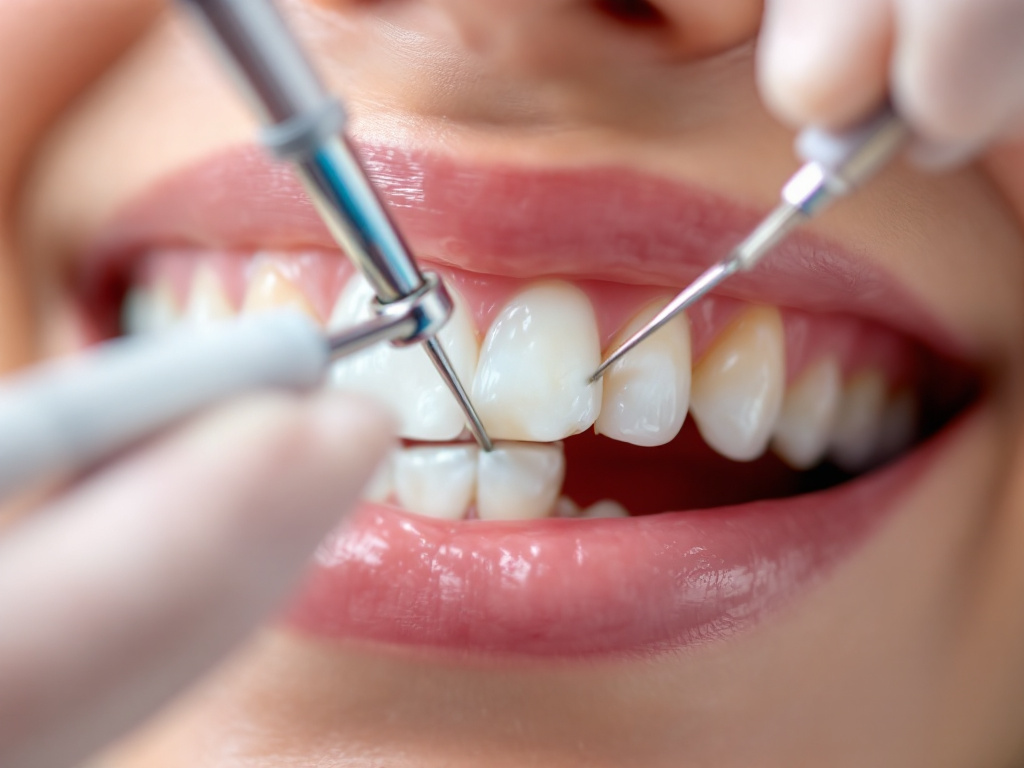
Understanding emergency crown repair
When a dental crown cracks, comes loose, or falls off, it can feel alarming and uncomfortable. Emergency crown repair is focused on protecting the tooth underneath your crown, stopping pain, and preventing more serious problems like infection or fracture of the remaining tooth structure.
A dental crown is a custom-made cap that covers a damaged or heavily filled tooth to restore its strength, function, and appearance. When that protection is compromised, the underlying tooth is suddenly vulnerable. This is why a loose, broken, or missing crown is often considered a dental emergency that should not wait.
At Cloninger Dentistry, your emergency visit is designed to stabilize your tooth quickly, get you comfortable, and decide whether your crown can be repaired or needs to be replaced. Same day care is often possible through our urgent dental repair services and emergency dental clinic options.
When a crown problem is an emergency
Not every crown issue is immediately dangerous, but some situations require urgent or same-day care. Knowing the difference helps you decide what to do next.
Clear signs you need same-day care
You should treat your situation as a dental emergency and contact a dentist right away if you notice:
- A crown that is very loose, wobbly, or has fallen off completely
- Sharp or throbbing pain in the crowned tooth
- Swelling, pus, or a pimple-like bump near the crown
- Sensitivity so strong that you cannot chew or drink comfortably
- A large chip or fracture that exposes metal or the tooth underneath
A loose crown allows bacteria and food debris to get under the margin of the crown. This can lead to decay or infection of the tooth underneath if it is not addressed quickly. Swelling, pus, or an abscess indicate an active infection in the tooth or root beneath the crown and require urgent treatment to keep the infection from spreading.
If you are unsure how serious your symptoms are, it is safest to call for an urgent dental appointment and describe what you are feeling. The office can help you decide whether you need same day dental care or can be seen soon on a non-emergency basis.
Situations that still need prompt care
Some crown problems may not be as dramatic but still need timely attention, such as:
- Minor chips or hairline cracks in a porcelain crown
- Mild but persistent sensitivity to hot or cold around the crown
- Gum irritation, redness, or bleeding where the crown meets the gum
- Food frequently trapping around one side of the crown
These issues might not send you to the emergency room, but they signal that the crown or the tooth may not be fully protected. Early treatment can prevent a small problem from turning into an emergency.
What to do right now if your crown is loose or off
If your crown is broken, loose, or has come off completely, what you do in the first few hours can protect your tooth and make your emergency crown repair smoother.
Step 1: Find and save the crown
If the crown has come out:
- Carefully retrieve it so you do not accidentally bite or step on it.
- Rinse it gently with warm water only. Do not scrub the inside.
- Place it in a clean container or small bag. Bring it with you to your appointment.
In many cases, if the crown and tooth are still in good condition, your dentist can clean and re-cement the same crown. This is usually faster, more comfortable, and more affordable than starting over with a new one.
Step 2: Protect the exposed tooth
An uncovered tooth that used to be under a crown is often sensitive and fragile. Until you can get to the dentist:
- Avoid chewing on that side of your mouth.
- Do not bite anything hard or sticky.
- Rinse gently with warm water or mild salt water to keep the area clean.
You may be tempted to glue the crown back on yourself. Super glue or household adhesives should never be used in your mouth. They can damage the tooth and gum tissues and make professional repair much more difficult.
If you speak with a dentist or walk-in emergency dentist over the phone, they may recommend very short-term use of over-the-counter temporary dental cement or dental wax to protect the tooth or lightly secure the crown until you can be seen. This should only be done after professional guidance, because not every situation is safe for temporary reattachment.
Step 3: Manage pain safely
If you are in pain:
- You can use over-the-counter pain relievers as directed on the label, if they are safe for you medically.
- Cold compresses on the cheek near the painful tooth can help with swelling or discomfort.
- Avoid very hot, very cold, or sugary foods and drinks that can trigger sensitivity.
If pain is severe, constant, or throbbing, or if you see swelling in the face or jaw, contact a dental pain relief clinic or painful tooth emergency care provider immediately. You may need an emergency root canal or another urgent procedure to address an infection.
What happens during emergency crown repair
When you arrive for emergency crown repair, the goal is to quickly understand the condition of both the crown and the tooth and then stabilize the situation.
Evaluation and diagnosis
Your dentist will:
- Review your symptoms, what happened, and how long it has been since the crown was placed
- Examine the crown and the tooth underneath
- Check your bite, surrounding gums, and neighboring teeth
- Take X-rays if needed to look for decay, cracks, or signs of infection in the tooth or root
This assessment helps determine whether the crown can be repaired and re-cemented, or whether the tooth requires additional treatment first.
Quick repairs and re-cementing
If the crown is intact and the tooth underneath is sound, emergency crown repair can often be completed in a single visit. The dentist may:
- Clean the inside of the crown and the surface of the tooth.
- Remove any old cement or trapped debris.
- Check the fit and your bite to ensure no new high spots have formed.
- Re-cement the crown securely and cure the bonding material.
In many cases, this procedure is relatively quick and restores your ability to chew and speak comfortably the same day.
When your crown must be replaced
If the crown is badly fractured, worn, or does not fit properly anymore, or if the tooth underneath has decay or infection, repair alone is not enough. In these situations, the dentist will:
- Remove the damaged crown and any decayed tooth structure
- Treat any infection, which may require an emergency root canal or, in severe cases, referral to an urgent extraction dentist
- Take impressions or digital scans for a new custom crown
- Place a temporary crown to protect your tooth while the new one is made
You will then return to have the permanent crown fitted and cemented, restoring long-term function and appearance.
If the crown is attached to a dental implant rather than a natural tooth, emergency crown repair usually involves replacing or repairing the restoration itself, not the implant in the bone. The process and cost vary depending on the type of implant crown you have.
Common crown emergencies and what they mean
Understanding the specific type of crown problem you are experiencing can help you know what to expect at your appointment.
Any cracked, loose, or missing crown exposes the underlying tooth to potential damage. Prompt care reduces your risk of infection, fractures, and more complex procedures later.
Loose or wobbly crown
A loose crown is an urgent problem because it means the seal between the crown and tooth has been compromised. Bacteria can enter and start decay underneath, even if you do not feel pain yet.
Common causes include:
- Breakdown of old cement
- Changes in the tooth structure over time
- Clenching or grinding your teeth
- New decay at the edge of the crown
Treatment often involves removing the crown, cleaning the area, checking for decay, and then re-cementing or replacing the crown as needed.
Broken, chipped, or cracked crown
Chipped or cracked crowns, especially porcelain ones, are common after biting down on hard foods like ice, nuts, or popcorn kernels. You might notice a rough edge, a visible piece missing, or sensitivity when chewing.
If the damage is small and does not affect the crown’s fit or the tooth underneath, polishing or a minor repair may be possible. More significant fractures usually require a new crown to properly protect the tooth.
If the tooth itself is also cracked or chipped, you may need chipped or cracked tooth repair in addition to a new crown. In some cases, a deep crack can extend into the root and require a root canal or even emergency tooth extraction.
Crown completely off the tooth
A crown that has fallen out completely is considered a dental emergency because the exposed tooth can be extremely sensitive and more likely to break or decay. According to guidance from Bunker Hill Dentistry, in many cases the crown can be re-cemented if both the tooth and crown are still in good condition.
While you wait to be seen:
- Keep the crown clean and safe in a container.
- Cover the tooth with dental wax if recommended by a dentist.
- Avoid chewing on that side and keep the area clean with gentle rinsing.
Do not postpone care. The longer the tooth remains uncovered, the higher the chance of further damage.
Pain, swelling, and infection around a crown
Pain, swelling, or a pimple-like bump near a crowned tooth often indicates an abscess or infection in the tooth or surrounding tissues. This is a serious dental emergency.
Common signs include:
- Throbbing pain that may radiate to the jaw or ear
- Swelling in the gums or face
- Pus or a bad taste in your mouth
- Fever or feeling generally unwell
In these situations, you may need urgent evaluation, antibiotics, and often an emergency root canal or other treatment through a provider of dental emergency services. Immediate care helps prevent the infection from spreading and protects your overall health.
How emergency crown repair fits with other urgent dental care
Crown problems often occur alongside or because of other dental emergencies. You may need combined treatment to fully resolve your symptoms.
Related issues that may be addressed
Depending on your situation, your emergency visit may also involve:
- Treating a severe toothache under or near the crown through a toothache relief dentist
- Managing a fracture or trauma from an accident with dental trauma care or broken tooth repair urgent services
- Draining an abscess and beginning tooth abscess treatment urgent care
- Deciding if the tooth can be saved with restorative treatment or if emergency tooth extraction is the safest choice
By addressing the underlying cause of your crown failure and not simply the crown itself, you reduce the chances of repeated emergencies on the same tooth.
Costs, prevention, and long-term protection
Emergency crown repair can be more complex and costly than early intervention, which is why prevention and regular care are so important.
Why prompt care saves teeth and money
Ignoring a loose or broken crown increases your risk of:
- Deep decay under the crown that requires root canal treatment
- Cracks in the remaining tooth that may be impossible to repair
- Infection that spreads to the gums, jawbone, or other areas
Early treatment is usually simpler and less expensive than waiting until you need multiple procedures. Many practices accept dental insurance and offer payment options for emergency services, so do not let financial concerns keep you from at least getting an evaluation.
Caring for your crown to avoid emergencies
With proper care, crowns can last many years. To reduce the chance of needing emergency crown repair in the future, you can:
- Brush twice a day and floss carefully around your crown to prevent plaque and decay at the edges.
- Avoid chewing ice, hard candies, or popcorn kernels that can crack porcelain.
- Wear a night guard if you grind or clench your teeth while sleeping.
- Schedule regular checkups so your dentist can catch early signs of wear, loosening, or decay.
Routine maintenance visits, like those encouraged by practices in Montgomery County, help you avoid expensive urgent treatments later and keep both your natural teeth and crowns in better condition.
When and where to seek emergency help
If you suspect you need emergency crown repair, you should not wait to see if the problem goes away. Loose, broken, or missing crowns rarely improve on their own. They usually deteriorate and can lead to larger complications.
Cloninger Dentistry provides reliable emergency care, including same day dental care, pain relief, and urgent crown repairs when available. Whether you are dealing with sudden sensitivity, a crown that fell off at dinner, or swelling around a long-standing crown, you can contact an emergency dentist cloninger to get evaluated quickly.
If your situation involves facial swelling, difficulty breathing, or uncontrolled bleeding, seek immediate emergency medical help first. For most crown related problems, however, a prompt visit to an emergency dental clinic or walk-in emergency dentist is the fastest way to protect your tooth, relieve pain, and return to normal function.
By acting quickly when a problem arises and maintaining regular preventive care, you give your crowns and natural teeth the best chance for long-term health and stability.