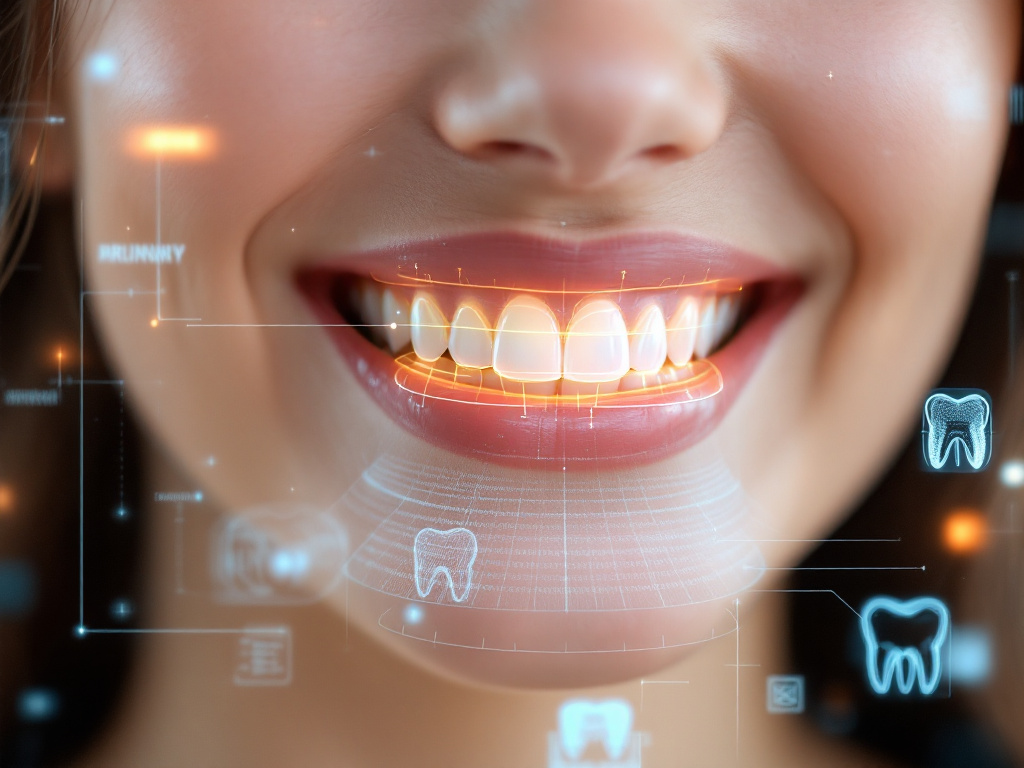
Digital smile design has revolutionized how you plan and achieve your ideal smile. By combining high-resolution photography, video analysis, and advanced software, you can visualize expected outcomes before treatment begins. In this guide, you’ll learn what digital smile design is, how it works, and how to integrate it with complementary services—like porcelain veneer placement and teeth whitening treatment—to create a comprehensive cosmetic smile makeover.
Understanding digital smile design
What is digital smile design?
Digital smile design (DSD) is a diagnostic and planning protocol in aesthetic dentistry that uses software tools to analyze and modify your facial and dental proportions. Originating in the early 2000s, it began with analog drawings on photos and has evolved into a 3D workflow—and even a 4D process that adds motion to your smile preview [1]. Today, more than 10,000 dentists worldwide have leveraged Digital Smile Design’s educational programs to deliver consistent, predictable cosmetic results by 2024 [2].
How digital smile design works
- Initial documentation: You’ll undergo specific photographic and video protocols (frontal, profile, occlusal) to capture static and dynamic expressions.
- Digital analysis: Software overlays reference lines and golden-proportion grids to assess tooth size, gingival levels, and facial symmetry.
- Virtual simulation: Your dentist creates a 2D or 3D mock-up of your proposed smile, enabling you to provide feedback before any irreversible procedures.
- Interdisciplinary collaboration: The digital files can be shared with dental labs, periodontists, or orthodontists to coordinate treatment goals.
Evolution of DSD technology
- First generation: Hand-drawn sketches on photos without model integration
- Six generations through analog-to-digital improvements [1]
- 3D workflows integrating CAD/CAM and 3D printing
- Emerging 4D concept adding lip dynamics and motion capture
Key benefits and outcomes
Enhanced patient visualization
Seeing a virtual preview helps you understand the proposed changes and set realistic expectations. You’ll participate more actively in treatment planning, leading to higher case acceptance rates and satisfaction [3].
Improved treatment predictability
Digital measurements and templates reduce guesswork. Whether you opt for veneers, crowns, or orthodontics, the DSD framework streamlines complex cases—such as full-mouth implant rehabilitations—by standardizing protocols and reducing adjustments mid-treatment [2].
Better interdisciplinary communication
Sharing digital mock-ups with specialists and lab technicians ensures everyone works from the same blueprint. This coordination minimizes remakes, shortens appointment times, and lowers overall costs.
Higher patient confidence
Participating in design decisions increases your confidence. You’ll feel more in control and less anxious when you know exactly how your final smile will look and function.
Digital smile design process
Initial consultation and imaging
Your journey starts with a thorough cosmetic dental evaluation. During this visit:
- High-resolution photos capture various facial and dental angles
- Video clips record your smile dynamics
- Intraoral scans or traditional impressions document tooth positions
Photographic protocols
To ensure accuracy, clinicians follow established guidelines for lighting, camera distance, and patient posture. Videos help analyze lip movement and tooth display at rest and in motion.
Digital planning and simulation
After uploading your records, the software overlays digital markers to evaluate tooth proportions, gingival contours, and facial symmetry. You’ll review 2D smile proposals or interactive 3D simulations on an iPad-exclusive app like the DSD App [4].
Mock-ups and provisional restorations
Before irreversible work, a resin or wax mock-up is placed in your mouth to assess esthetics and function. This hands-on trial guides procedures like gum contouring cosmetic or veneer placement.
Final treatment execution
Once you approve the mock-up, your dentist proceeds with definitive restorations—whether that’s veneers, crowns, or implants—following the digital blueprint. This approach enhances accuracy and minimizes surprises.
Software and tools
Popular DSD software options
- Photoshop CS6 and Keynote: Basic 2D design capabilities
- Smile Designer Pro and Aesthetic Digital Smile Design: Comprehensive aesthetic parameter analysis
- Exocad DentalCAD 2.3: 3D integration with CAD/CAM workflows
- Planmeca Romexis® Smile Design: Fast, intuitive 2D designs with cloud sharing [5]
Choosing the right platform
Consider these factors:
- Dentofacial aesthetic parameters (golden proportion, gingival analysis)
- Ease of use and training requirements
- Cost and software licensing
- Compatibility with your lab’s CAD/CAM systems
DSD App functionality
The DSD App enables parameter-driven adjustments of tooth shape, position, and proportion on an iPad (generation 7+ or MacBook M1+). You can export designs for lab communication or team review directly through the platform.
Future trends
- Artificial intelligence for automated tooth alignment
- Virtual and augmented reality for immersive smile previews
- Enhanced predictive modeling to optimize long-term esthetic outcomes [6]
Complementary cosmetic treatments
Veneers and bonding
Digital smile design often pairs with veneers and bonding services to correct tooth shape, size, and color. Custom digitally planned wax-ups guide porcelain laminate fabrication or composite resin applications for minimally invasive results.
Whitening and contouring
A whitening & veneers package can brighten your smile before veneer placement. For uneven gums, incorporate gum contouring cosmetic to harmonize your gingival line with the digitally planned tooth proportions.
Crowns and implants
When teeth require structural reinforcement, cosmetic crown dentistry or implant-supported restorations can be integrated into the digital plan. The 3D workflow ensures precise implant positioning and crown fit.
Other enhancements
You may also explore:
- Dental bonding service for minor chips or gaps
- Non invasive cosmetic dentistry options such as enamel microabrasion
- Cosmetic dental care routines to maintain your new smile
Choosing your dentist
Finding a qualified practitioner
Look for a smile design dentist with formal DSD certification or extensive experience in digital workflows. Review before-and-after galleries and patient testimonials to gauge their aesthetic style.
Consultation checklist
- Verify imaging protocols and software used
- Ask about interdisciplinary coordination with labs and specialists
- Confirm mock-up procedures and approval stages
- Discuss complementary services—veneers, bonding, whitening, custom smile makeover
Questions to ask
- How many cases have you completed using digital smile design?
- Can you show me a case with similar esthetic goals?
- What is the timeline from planning to final restoration?
- What financing or package options exist for combined services?
Making your decision
Evaluating treatment plans
Review your digital mock-up alongside the proposed procedures. Ensure each step aligns with your esthetic desires and functional needs.
Cost and financing
Digital planning may carry an upfront fee, but it often reduces overall costs by minimizing remakes and chair time. Inquire about payment plans or bundled whitening & veneers package discounts.
Timeline expectations
From initial consultation to final delivery, expect 4–12 weeks depending on complexity. Single-tooth cases complete faster, while full-mouth rehabilitations require additional lab and surgical phases.
Achieving your smile goals
With digital smile design, you hold the blueprint to your dream smile. By combining precise digital planning with evidence-based treatments—such as porcelain veneer placement, teeth whitening treatment, and gum contouring cosmetic—you’ll enjoy predictable, natural-looking results and greater satisfaction. Ready to explore your options? Schedule a cosmetic dental evaluation today and take the first step toward a confident, radiant smile.