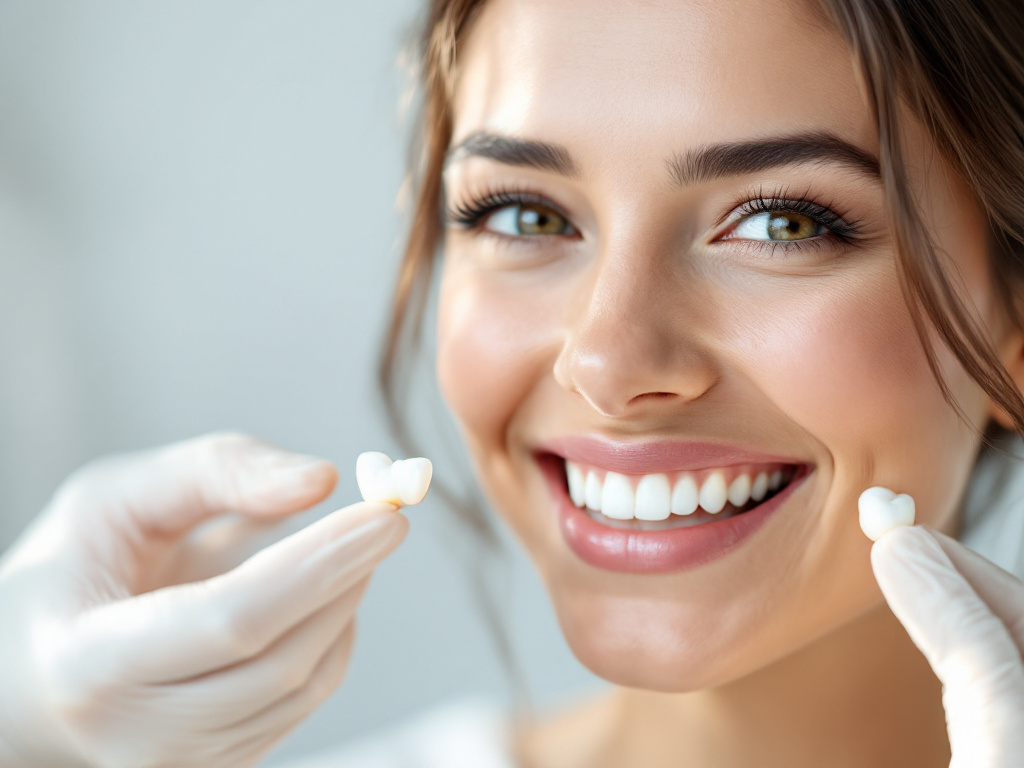
Understand cosmetic crown dentistry
Cosmetic crown dentistry blends restorative care with aesthetic enhancement to give you a healthy, natural-looking smile. In cosmetic crown dentistry, your dentist fits a custom-shaped cap, or crown, over a damaged, decayed, or weakened tooth. This approach not only improves the appearance of your smile but also restores function and protects underlying tooth structure. Early in the treatment plan, your provider will explain how dental crowns can address issues like discoloration, cracks, or large fillings that compromise both form and function.
Dental crowns serve multiple roles. They restore teeth after root canal therapy, strengthen cracked or worn teeth, support dental bridges, and cover dental implants. By choosing cosmetic crown dentistry, you invest in a solution that balances durability with visual appeal. Research shows that crowns typically last five to 15 years with proper care, and sometimes up to 30 years under ideal conditions [1]. Understanding when and why crowns are recommended sets the foundation for a successful outcome.
Define dental crowns
A dental crown is a tooth-shaped cap designed to fit snugly over your prepared natural tooth or implant abutment. It covers the entire visible portion of the tooth from the gum line to the biting surface. Crowns are cemented into place, providing a seamless transition between your natural tooth and the restoration. In cosmetic crown dentistry, materials such as porcelain, zirconia, and metal alloys are selected for their strength and aesthetic properties.
Cosmetic vs restorative crowns
While all crowns restore form and function, cosmetic crown dentistry emphasizes appearance. Restorative crowns, often made of gold or metal alloys, prioritize strength—ideal for molars where chewing forces are greatest. Cosmetic crowns use tooth-colored materials to blend with your smile. Porcelain and all-ceramic crowns are common choices for front teeth in the aesthetic zone, whereas stronger materials like zirconia suit back teeth in the functional zone [2].
When crowns are needed
You might need a crown if you have:
- A large filling that leaves the tooth vulnerable
- A tooth weakened by decay, fracture, or root canal therapy
- Discolored, misshapen, or worn teeth affecting your smile
- A missing tooth replaced by an implant or bridge
Your dentist will perform a cosmetic dental evaluation to determine if a crown is the optimal solution or if alternatives like veneers or bonding better suit your goals.
Explore crown materials
Choosing the right crown material balances strength, longevity, and aesthetics. Below is an overview of common options in cosmetic crown dentistry.
| Material | Pros | Cons | Ideal use |
|---|---|---|---|
| Porcelain | Excellent color match, stain resistant | Less durable under heavy force | Front teeth, visible smile zone |
| All-ceramic/zirconia | High strength, biocompatible, minimal enamel wear | Slightly opaque in some cases | Posterior and anterior restorations |
| Porcelain-fused-to-metal | Combines strength and appearance | Porcelain layer may chip | Front and back teeth |
| Metal alloys (gold, Ni-Cr) | Extremely durable, minimal enamel removal | Metallic color | Molars, out-of-sight restorations |
Porcelain crowns
Porcelain crowns closely mimic natural enamel, offering lifelike translucency and shade matching. They are stain resistant and biocompatible, making them an excellent choice for front teeth. Porcelain crowns require careful handling, as they can chip under extreme force.
Zirconia and ceramic crowns
Zirconia crowns, made from zirconium dioxide, deliver exceptional toughness and fracture resistance. They maintain aesthetics while withstanding chewing pressures, making them suitable for molars and front teeth alike [1]. All-ceramic crowns offer similar aesthetic benefits but may vary in strength based on the specific ceramic used.
Porcelain-fused-to-metal crowns
PFM crowns feature a metal core with a porcelain overlay. This hybrid design offers the durability of metal and the appearance of porcelain. Over time, porcelain can chip and expose the underlying metal, potentially affecting aesthetics.
Metal and gold options
Metal crowns, including gold and base metal alloys, are among the most durable. They require minimal enamel removal and resist wear, making them ideal for back teeth. Their metallic hue makes them less common in visible areas but an excellent choice when strength is paramount.
Discover treatment benefits
When you choose cosmetic crown dentistry, you gain a range of advantages that enhance both appearance and oral health.
Improve smile aesthetics
Cosmetic crowns correct discoloration, misalignment, and irregular shapes, creating a uniform, bright smile. By closely matching the shade and shape of adjacent teeth, crowns can transform your appearance as part of a custom smile makeover or whitening & veneers package.
Restore function
Crowns rebuild chewing surfaces and bite alignment, allowing you to eat comfortably without risking tooth damage. A well-fitted crown distributes biting forces evenly, reducing the chance of fractures.
Protect natural tooth
After procedures like root canals, the remaining tooth structure can be fragile. A crown shields the tooth, preventing cracks and preserving long-term function [3].
Long-term durability
With proper care—brushing, flossing, and regular check-ups—crowns can last many years. Crowns made from high-strength materials like zirconia often outlast other options in both function and appearance.
Review crown process
Understanding the steps involved helps you feel confident and prepared for cosmetic crown dentistry.
Initial evaluation
Your dentist will examine your oral health, take X-rays, and discuss your aesthetic goals. This consultation may include a digital smile design session to preview your results.
Tooth preparation
After numbing the area, your tooth is reshaped to accommodate the crown. This process typically takes 30 to 45 minutes per tooth and ensures a precise fit.
Impression and design
A digital or physical impression captures your tooth’s shape and bite relationship. The lab then crafts a custom crown to your specifications, matching shade and contour. Advances in CAD/CAM technology enable some practices to offer same-day crowns milled in-office.
Temporary crown stage
While your permanent crown is fabricated, you’ll wear a temporary cap that protects your tooth and maintains aesthetics. This interim solution lets you eat and speak normally.
Final fitting and bonding
At your second visit, the dentist removes the temporary crown, checks the fit and color of the permanent restoration, and bonds it with dental cement. You’ll leave with a fully functional, natural-looking tooth.
Same-day crown options
Some practices offer in-office milling machines that create a ceramic crown in a single session. Candidates for same-day crowns benefit from fewer visits and immediate results, though suitability depends on your specific case [1].
Compare alternatives
While crowns are versatile, you may consider other cosmetic treatments depending on your goals.
Veneers and bonding
- Veneers are thin porcelain shells bonded to the front of teeth to mask imperfections. Explore veneers for front teeth or porcelain veneer placement if your enamel is healthy but stained or slightly misaligned.
- Bonding uses tooth-colored resin to repair chips, gaps, and minor discoloration. A dental bonding service offers a quick, non-invasive solution for small corrections.
Gum contouring
If uneven or excessive gum tissue affects your smile, gum contouring cosmetic can reshape your gum line, creating a balanced appearance before or after crown placement.
Whitening and other treatments
Combining crowns with teeth whitening treatment ensures a consistent shade across natural teeth and restorations. Your dentist may recommend a cosmetic smile makeover that integrates crowns, veneers, and whitening for a comprehensive enhancement.
Maintain your crowns
Good maintenance prolongs the lifespan of your crowns and preserves oral health.
Oral hygiene tips
- Brush twice daily with a soft-bristled toothbrush
- Floss carefully around crown margins
- Use an antimicrobial mouthwash to reduce plaque
Diet and habits
- Avoid hard or sticky foods that can dislodge or chip crowns
- Limit staining beverages like coffee and red wine
- Wear a night guard if you grind teeth to protect crowns from excessive force
Follow-up care
Schedule regular dental visits for professional cleanings and examinations. Early detection of issues like cement breakdown or gum recession helps you address problems before they worsen.
Choose your provider
Selecting the right cosmetic dental clinic and dentist ensures a positive experience and optimal results.
What to look for
- Board-certified dentists with specialized training in esthetic dentistry
- Advanced technology like digital impressions and CAD/CAM milling
- Before-and-after galleries demonstrating crown work
- Patient testimonials highlighting comfort and satisfaction
Questions to ask
- What crown materials do you recommend for my case?
- Do you offer same-day crowns or custom lab-fabricated restorations?
- How do you ensure shade matching and bite accuracy?
- What warranties or guarantees apply to the crowns?
Combining treatments
If you’re planning a full smile transformation, inquire about services such as smile design dentist consultations, non invasive cosmetic dentistry options, and cosmetic dental enhancements to address all aspects of your smile.
Plan your smile makeover
A well-executed plan turns your vision into reality with minimal surprises.
Customized smile design
Collaborate with your dentist to create a detailed treatment plan. Digital mockups show how crowns, veneers, and contouring will interact, ensuring you’re satisfied before work begins.
Digital planning
3D imaging and virtual simulations offer precise predictions of your post-treatment outcomes. This technology guides tooth preparation and crown fabrication, reducing adjustments at placement.
Financing options
Many clinics provide flexible payment plans or financing to make cosmetic crown dentistry accessible. Discuss coverage details, insurance benefits, and in-house financing to budget your smile upgrade.
Embrace your confident smile
Cosmetic crown dentistry empowers you to protect weakened teeth and achieve a radiant, functional smile. By selecting the right crown material, following a structured treatment plan, and maintaining diligent care, you’ll enjoy lasting results. Whether you need a single crown or a full-mouth enhancement, partnering with a skilled provider ensures you reclaim both confidence and oral health. Schedule your cosmetic dental evaluation today and take the first step toward a brighter, stronger smile.