
Understanding implant surgery clinics
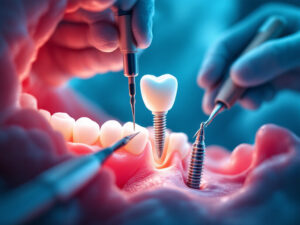
When you visit an implant surgery clinic, you should expect a focused environment dedicated to surgical precision, patient comfort, and long-term oral health. A professional clinic goes beyond basic dentistry, offering specialized services such as implant placement, bone grafting, and sedation tailored to your needs. From your very first consultation, the staff should walk you through each step of the process, explaining how implants replace tooth roots with biocompatible posts and integrate with your jawbone.
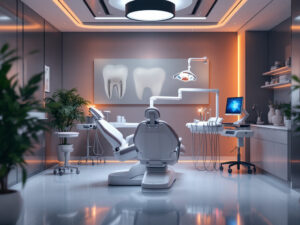
A well-equipped implant surgery clinic combines clinical expertise with advanced technology. You’ll encounter digital imaging tools, sterile treatment rooms, and a team trained in both surgery and post-operative care. Choosing the right clinic makes a difference.
Evaluating surgeon qualifications
Your implant’s success hinges on the skills and training of the surgeon performing the procedure. While any licensed dentist in the U.S. can legally place implants, true expertise often lies with specialists who complete extensive post-graduate training.
Key qualifications to look for include:
- Board certification by a surgical board approved by the American Board of Medical Specialties or by the Royal College of Physicians and Surgeons of Canada
- Fellow of the American College of Surgeons (FACS), ensuring high standards of education, competence, and ethical conduct [1]
- Completion of a three- to four-year residency in oral and maxillofacial surgery or periodontics, including anesthesia training and complex case management [2]
- Annual implant volume and bone grafting experience, reflecting a surgeon’s hands-on expertise
Always ask about a surgeon’s complication-management education and how many implants they place each year. Your confidence grows when you know your provider has navigated both routine and challenging cases.
Facilities and technology
State-of-the-art facilities are essential for precise implant work and patient safety. A modern clinic invests in diagnostic tools and strict sterilization protocols to minimize risk and optimize outcomes.
Imaging and diagnostics
Your clinic should offer digital X-rays and cone-beam computed tomography (3D CT scans), enabling accurate mapping of bone density, nerve pathways, and sinus cavities. These images guide implant placement, reducing guesswork and ensuring proper angulation. Some clinics even provide same-day imaging so you can move straight from diagnosis to treatment planning.
Sterile environment
Infection control is non-negotiable. Accredited surgical centers adhere to standards set by The Joint Commission or the Accreditation Association for Ambulatory Health Care, demonstrating commitment to high-quality patient care [1]. Look for separate sterilization areas, disposable instruments where possible, and staff who follow strict hand-hygiene and mask protocols.
Sedation and comfort options
Comfort plays a significant role in your experience. A professional implant surgery clinic offers multiple sedation levels to match your anxiety and procedural complexity.
Below is a comparison of common sedation types:
| Sedation type | Description | Ideal for |
|---|---|---|
| Local anesthesia | Numbs the specific area without affecting you systemically | Simple implant placement, minor bone grafting |
| Oral conscious sedation | Oral medication induces relaxation, you remain responsive | Patients with mild to moderate anxiety |
| Intravenous (IV) sedation | Medication delivered intravenously for deeper relaxation and amnesia | Complex cases, full-mouth reconstruction, severe anxiety |
Discuss your comfort goals with your surgeon and anesthetist. They will recommend the best option, whether you choose sedation dentistry services or specialized approaches like sedation dentistry for anxious patients.
Comfort can change everything.
Surgical procedures offered
A full-service implant surgery clinic provides a spectrum of procedures, from placing a single post to complex extractions and grafting. Your treatment plan may include one or more of these key steps.
Implant placement
During implant placement, your surgeon creates a precise pilot hole in the jawbone and inserts a titanium post that will fuse with the bone over several months. You can learn more about techniques at implant placement cloninger. Skilled surgeons use guided templates or computer-assisted navigation to enhance accuracy, reducing the risk of nerve damage or improper angulation.
Surgical extractions
When you have non-viable teeth, your surgeon can extract them and, in many cases, place an implant immediately or at a later date. This is common for impacted wisdom teeth and severely damaged roots. If you need specialized removal, ask about wisdom tooth extraction or combined solutions like complex extraction & implant. Proper socket preservation maintains bone volume, facilitating successful implant integration.
Bone grafting and augmentation
Bone loss can threaten implant stability, making grafting a routine step for many patients. Your clinic should assess bone quality and offer tailored augmentation options.
Graft types explained
Bone grafts can be sourced in several ways:
- Autografts, taken from your own body (often the hip or chin)
- Allografts, derived from human donors and processed for safety
- Xenografts, sourced from animal bone and treated to remove organic components
- Synthetic materials made of calcium phosphates or bioactive glass
Each option has advantages and trade-offs in healing time and donor-site morbidity. Consult your surgeon about bone graft dental surgery to understand which graft best suits your anatomy and lifestyle.
Timing and healing
After grafting, you may wait three to six months for new bone to mature before implant insertion. In some cases, surgeons perform simultaneous grafting and implant placement, shortening your overall timeline. Either way, follow-up imaging confirms adequate bone formation, and your surgeon will coordinate with bone graft & implant restoration specialists to ensure seamless treatment progression.
Implant restoration and aftercare
Once osseointegration is complete, it’s time to restore function and aesthetics with an abutment and crown or prosthesis. The restoration phase transforms your implant from an anchor to a natural-looking tooth or set of teeth.
Abutment and crown placement
Your surgeon or restorative dentist screws or cements an abutment onto the implant post. This connector supports a custom crown crafted to match your adjacent teeth in color, shape, and texture. Clinics offering in-office milling can sometimes deliver same-day provisional crowns, reducing the number of visits.
Maintenance tips
Keeping implants healthy mirrors good oral hygiene but may include special tools. Use a soft-bristled brush, low-abrasive toothpaste, and interdental brushes designed for implants. Regular professional cleanings are critical—your clinic should provide follow-up care and check-ups via implant restoration services. If you need prosthetic support over multiple implants, explore implant supported dentures or consult an implant prosthetics dentist.
Full-mouth reconstruction options
If you’re missing multiple teeth or need a complete arch replacement, full-mouth reconstruction techniques can restore an entire smile with predictable outcomes.
All-on-4 method
All-on-4 involves placing four implants in strategic positions to support a full arch of teeth. Immediate loading protocols often let you walk out with temporary teeth on the same day. You can read more about this solution at all-on-4 implant procedure. This approach minimizes grafting requirements and shortens your treatment timeline.
Hybrid prosthetics
Hybrid prosthetics combine the stability of fixed implants with the versatility of removable dentures. They sit over a bar or locator attachments, offering strong retention and easier home care. Your surgeon will discuss whether a fixed or detachable hybrid works best for your oral anatomy and lifestyle.
Preparing for your visit
Proper preparation helps your appointment go smoothly and reduces anxiety. Before you arrive, complete these tasks:
- Compile your medical history, including current medications and chronic conditions
- Bring any recent dental X-rays or 3D scans if available
- Arrange transportation, especially if you plan for conscious or IV sedation
- Review your insurance coverage and financing options in advance
Bring questions about each step of your care, from anesthesia to recovery time. A well-informed patient makes better decisions.
Postoperative care and recovery
Recovery after implant surgery varies depending on the complexity of your procedure, but most patients follow similar guidelines.
Pain and swelling management
Expect mild swelling, bruising, and discomfort for up to five days. Your surgeon may prescribe pain relievers or recommend over-the-counter options. Apply cold packs intermittently during the first 48 hours and keep your head elevated when resting. If swelling worsens after day three or you experience fever, contact your provider immediately.
Diet and hygiene
Stick to a soft-food diet for one to two weeks, avoiding hard, crunchy, or sticky substances that could disturb healing. Gentle rinsing with saltwater or a prescribed oral rinse keeps the surgical site clean. Do not drive for 24–48 hours after sedation to ensure your safety [3].
Your surgeon will schedule follow-up visits to monitor bone integration and soft-tissue healing.
Financing and insurance considerations
Understanding the financial side of implants helps prevent surprises. The national average cost for a single tooth dental implant in the United States is $2,143, ranging from $1,646 to $4,175 [4]. This figure covers the implant post but excludes the crown, which can add $488 to $3,254 depending on material and design.
Many clinics offer payment options, such as:
- Acceptance of major dental insurance plans
- Third-party financing through CareCredit or similar programs
- In-house payment plans with low or zero-interest options
- Use of Health Savings Accounts (HSAs) or Flexible Spending Accounts
Ask your clinic coordinator about package pricing for multiple implants or full-mouth reconstruction.
Choosing the right clinic
Selecting your implant surgery clinic comes down to expertise, technology, and personalized care. Look for an implant specialist clinic or oral surgery dentist with a proven track record, modern facilities, and a clear communication style. Prioritize board-certified surgeons and accredited surgical suites to reduce risk.
Your smile is worth the investment. Take the time to tour facilities, meet the team, and review patient testimonials. When you choose wisely, you set yourself up for a lifetime of confident bites and bright smiles.