When you choose an implant prosthetics dentist, you’re entrusting your smile, oral function, and self-confidence to a specialist trained in the art and science of replacing missing teeth. From surgical planning through final restoration, this expert blends advanced imaging, precise implant placement, and custom prosthetic design to deliver results that look and feel like natural teeth. You gain peace of mind knowing every step—whether bone grafting, sedation dentistry, or full-mouth reconstruction—is overseen by a practitioner focused solely on implant solutions.
A skilled implant prosthetics dentist not only restores chewing and speaking ability but also helps you reclaim the confidence to laugh, eat, and socialize without hesitation. By integrating digital planning, surgical expertise, and long-term maintenance protocols, your treatment becomes a seamless journey toward a healthier, more vibrant smile.
Understanding implant prosthetics dentist
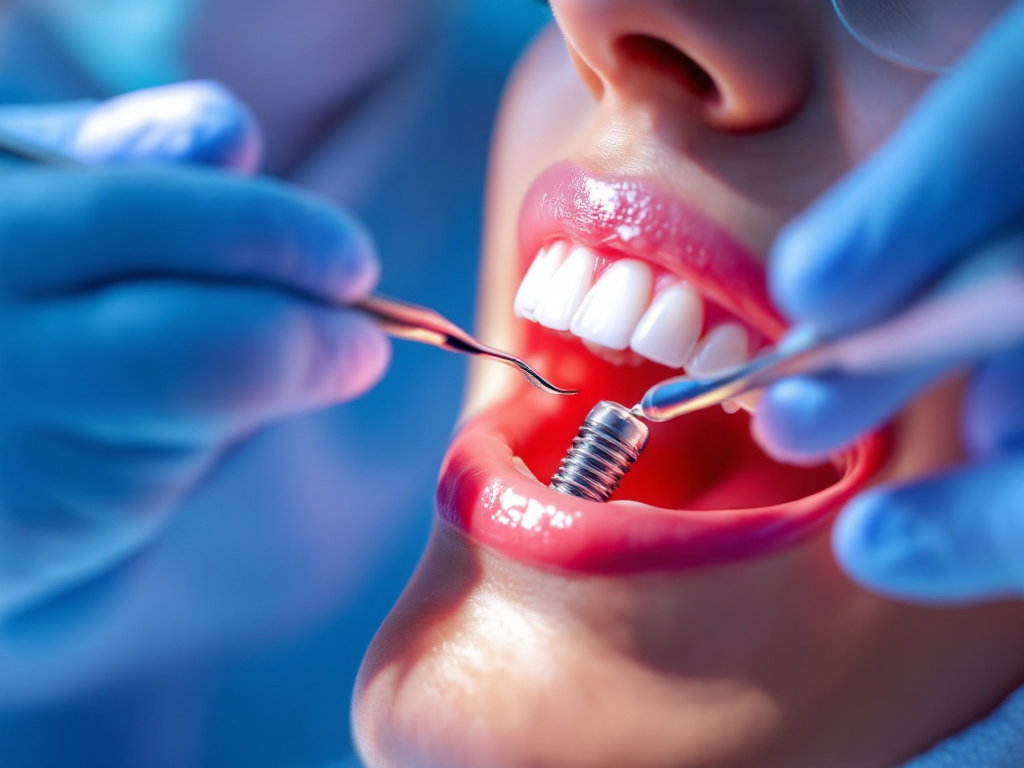
An implant prosthetics dentist specializes in replacing one or more missing teeth using implants, abutments, and custom crowns or dentures. Unlike a general dentist, this professional has advanced training in implantology and prosthodontics, combining surgical skill with aesthetic sensibility. They evaluate your bone structure, gum health, and bite dynamics to craft a treatment plan tailored to your unique anatomy and lifestyle.
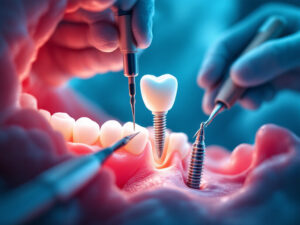
You’ll benefit from their familiarity with all stages of implant care—from initial imaging and guided surgery to final prosthetic design and maintenance. Their expertise ensures proper osseointegration, where titanium or zirconia posts fuse securely with your jawbone, forming a stable foundation for lifelong function. With this knowledge, they can anticipate challenges such as insufficient bone volume or complex extractions and recommend solutions before they affect your outcome.
Because implant prosthetics dentists focus on implant-related services, they stay current with innovations like computer-guided placement, CAD/CAM prosthetics, and minimally invasive surgical techniques. This commitment to ongoing education and technology investment translates into fewer complications, more predictable healing, and final restorations that blend seamlessly with your natural teeth. If you’re researching options, consider consulting a dental implants dentist who offers a dedicated implant practice rather than a general office.
Planning your implant placement
Successful implant therapy begins long before any incision is made. Your implant prosthetics dentist uses 3D cone-beam CT scans to map your jawbone, locate vital anatomical structures, and determine the ideal implant position. This detailed imaging guides digital treatment planning software, which may include virtual implant placement and surgical guides to ensure pinpoint accuracy.
During your planning phase, you’ll discuss factors such as the number of implants required, preferred prosthetic style, and any preparatory procedures needed. If you have existing dental concerns—like misaligned teeth or TMJ issues—the dentist will integrate those into the overall strategy to achieve balanced function and aesthetics. By sharing your goals and expectations, you help the clinician customize each step for maximum comfort and confidence.
Whether you’re replacing a single tooth or designing an entire arch, the planning stage clarifies timeline, costs, and possible adjunctive treatments. You’ll also learn about preserving gum contours, choosing appropriate implant diameters, and coordinating with a dental laboratory for lifelike prosthetic materials. For a detailed look at the surgical and restorative process, explore our guide on implant placement cloninger.
Addressing bone graft requirements
Many patients lack sufficient jawbone density or volume to support an implant securely, especially if they’ve been missing teeth for years. A skilled implant prosthetics dentist evaluates bone quality early and recommends grafting when needed to rebuild a stable foundation. Bone graft dental surgery may involve your own bone, donor tissue, or synthetic materials, depending on your situation and preferences.
Bone grafting techniques range from minor ridge augmentations to large sinus lifts in the upper jaw. By carefully placing bone particles around the implant site, your dentist encourages new bone growth through a process called guided bone regeneration. Over several months, the graft integrates with your existing bone, creating enough support for long-term implant success.
Understanding the nuances of graft materials and methods reduces the risk of graft failure or delayed healing. Your dentist will outline recovery expectations and follow-up visits, then coordinate implant placement only when graft maturity meets the necessary criteria. If you need both grafting and restoration, see our information on bone graft dental surgery to learn how clinicians combine these steps for streamlined care.
Managing sedation and extractions
Surgical extractions and implant placement can provoke anxiety or discomfort, especially if you require multiple sites or complex bone work. Implant prosthetics dentists often offer sedation dentistry services to ensure your experience remains stress-free. Options range from nitrous oxide to oral sedation or IV sedation, with each level tailored to your anxiety level and medical history.
Before your procedure, your dentist reviews sedation options, safety protocols, and recovery instructions. Sedation helps you relax, reduces pain perception, and allows the clinical team to work efficiently. When combined with precise surgical techniques, it minimizes tissue trauma and postoperative soreness.
If you face challenging extractions—such as impacted wisdom teeth or broken roots—your dentist’s surgical expertise becomes invaluable. They’ll remove remaining tooth structure, address any infection, and prepare your site for implants, all under one roof. By linking with an experienced oral surgery dentist, complex extraction and implant placement can occur in the same appointment, reducing overall treatment time and appointments.
Pursuing full-mouth reconstruction
For patients missing multiple teeth or wearing unstable dentures, full-mouth reconstruction offers a life-changing solution. Your implant prosthetics dentist designs a comprehensive plan that may include a combination of single-tooth implants, bridges, or overdentures supported by implants. Techniques like the all-on-4-implant-procedure leverage four strategically placed implants to anchor a full arch of replacement teeth, often in a single day.
Full-mouth reconstruction begins with thorough diagnostics: bite analysis, aesthetic planning, and digital wax-ups that preview your new smile. Your dentist then sequences treatments—extractions, bone grafts, implant placement, and provisional restorations—in a way that maintains function and appearance throughout. You can leave each stage confident in your temporary prosthesis, returning to normal eating and speaking habits while final restorations are being fabricated.
By integrating soft-tissue management and prosthetic design, the goal is not only to restore teeth but also to support facial structure and gum health. You’ll end up with a stable, natural-looking smile that resists wear and preserves your jawbone for years to come. To explore whether full-arch solutions fit your needs, visit our section on full mouth reconstruction.
Ensuring long-term maintenance
Achieving a stable, beautiful smile is only part of the journey—long-term maintenance ensures your investment continues to perform. Research shows that, over a ten-year period, around 39.5% of implant patients experience technical complications such as screw loosening, while biological issues like peri-implantitis also arise [1]. Staying on top of hygiene and professional check-ups greatly reduces your risk of these events.
| Metric | Value |
|---|---|
| Technical complications | 39.5% of patients experienced technical issues [1] |
| Screw loosening | 43.4% of all technical complications [1] |
| Technical appointments | Mean of 1.5 visits per patient for fixes [1] |
| Biological appointments | Mean of 1.3 visits per patient for tissue care [1] |
| Maintenance time | Approximately 77 minutes per year [1] |
| Maintenance cost | About 9% of initial implant cost annually [1] |
Regular professional cleanings and exams let your dentist catch early signs of wear, infection, or loose components. If you use implant-supported dentures, connecting with implant restoration services ensures your attachments remain secure and your prosthesis fits perfectly. By committing to routine care, you protect both your oral health and the financial investment in your smile.
Choosing your dental specialist
Selecting the right implant prosthetics dentist can make all the difference in your confidence and long-term satisfaction. Look for a clinician with specialized credentials in implantology or prosthodontics, advanced imaging capabilities, and a track record of successful full-arch reconstructions. Transparent pricing and detailed treatment plans are likewise essential—you want no surprises when it comes to appointments or fees.
Patient comfort matters too. A practice that offers sedation options, digital walkthroughs of your case, and clear communication demonstrates a patient-centric approach. Facilities with onsite labs or close lab partnerships reduce turnaround times and allow for hands-on quality control of your final restorations. By choosing an implant and restoration clinic that checks these boxes, you place your care in focused hands.
Ultimately, an implant prosthetics dentist who combines surgical expertise, prosthetic artistry, and compassionate support empowers you to embrace life fully. With a stable, natural smile, you’ll rediscover the simple joys of sharing meals, laughter, and conversation—knowing your teeth look and function at their very best.
References
- (PubMed)