Understand clinic importance
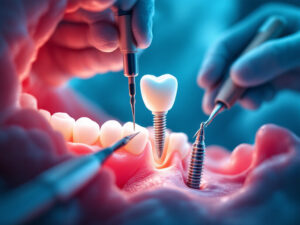
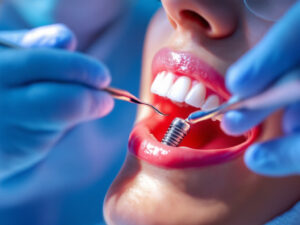
Your implant and restoration clinic plays a pivotal role in the longevity and success of your dental implants. From precise surgical placement to custom prosthetic restorations, every step depends on the expertise and infrastructure of the practice you choose. Selecting a clinic with a proven track record helps ensure that your investment in a restored smile delivers both function and aesthetics for years to come. Every detail—from preoperative assessment to aftercare—can influence osseointegration and prosthetic fit.
A single misstep, whether in surgical planning or crown fabrication, can lead to complications like implant failure, bone loss or gum inflammation. On the other hand, a well-equipped, experienced clinic mitigates risks and supports predictable outcomes. When you understand why the clinic matters, you can ask informed questions and find a provider who aligns with your needs and expectations.
Verify professional credentials
Before moving forward, confirm that your implant and restoration clinic meets rigorous professional standards. Dental implant procedures require surgical skill and precise prosthetic work, so clinician qualifications directly affect patient safety and satisfaction.
State training mandates
In many regions, dentists must complete specific postgraduate training before placing implants. As of January 1, 2024, Oregon law mandates that dentists complete 56 hours of hands-on clinical implant training at an appropriate postgraduate level to legally place dental implants [1]. Checking your state board’s requirements helps you ensure that any dentist you consider has met these baseline educational standards.
A clear record of postgraduate coursework, accredited residencies in implant dentistry or fellowships in prosthodontics can give you confidence in a clinician’s foundational training. Without these credentials, even the most modern equipment may not guarantee a safe, effective procedure.
Board certification importance
Board certification from recognized bodies signals a higher level of commitment to implant excellence. Although not mandatory in every state, credentials such as Diplomate status with the American Board of Oral Implantology (ABOI) or Fellowship with the American Academy of Implant Dentistry (AAID) demonstrate that a dentist has passed stringent exams and peer reviews.
| Credential | Significance |
|---|---|
| ABOI Diplomate | Validates advanced expertise in implant surgery and complex cases |
| AAID Fellowship | Recognizes clinical excellence, ethical standards and ongoing professional development |
| State postgraduate implant hours | Ensures legal compliance and hands-on surgical training |
Dentists at New Smiles in Sherwood, Oregon, including Dr. Ben Aanderud and Dr. Nathan Doyel, hold both ABOI Diplomate status and AAID Fellowship, reflecting one of the highest levels of implant dentistry training in the state [1]. When you review credentials, look for transparent disclosures on the clinic website or ask directly during your consultation.
Evaluate advanced technology
Beyond credentials, assess whether the clinic uses cutting-edge technology for diagnostics and treatment planning. Modern tools reduce margin for error and streamline the implant process from start to finish.
3D imaging technology
Accurate imaging is the foundation of any successful implant plan. Cone beam computed tomography (CBCT) scans provide three-dimensional views of your jawbone, nerves and sinus cavities. This level of detail allows surgeons to select the ideal implant size and angulation before making any incision.
Advanced practices integrate CBCT data with planning software, simulating implant placement and reducing surprises during surgery. Viewing your anatomy in three dimensions empowers you to understand potential challenges—such as narrow bone ridges or proximity to vital structures.
Computer guided surgery
Many implant and restoration clinics now use computer-guided surgical guides. These custom-fabricated templates fit over your teeth or gums and guide the drill to the exact angles and depths planned on the digital model.
Guided surgery can shorten procedure times and minimize trauma to surrounding tissue. Clinics such as Healthy Smiles Long Beach emphasize these technologies in their implant services, enhancing precision and predictability [2]. Asking about guided surgery helps you compare practices on a technical level.
Consider surgical expertise
Technology only matters in the hands of an experienced surgical team. You want a clinic where oral surgeons and implant dentists have a track record in key procedures like implant placement, bone grafting and complex extractions.
Implant placement skills
Precise placement is critical to osseointegration, the biological process that fuses the implant to your jawbone. An experienced clinician positions each implant with millimeter accuracy, ensuring optimal load distribution and long-term stability. Some practices brand focused implant programs—like implant placement cloninger—which indicates concentrated expertise in surgical protocols. You may also verify whether the clinician operates within a dedicated implant surgery clinic environment that emphasizes multidisciplinary collaboration.
Bone graft procedures
In cases where jawbone volume is insufficient, bone grafting may be necessary before or during implant placement. Clinics that routinely perform autografts, allografts or synthetic grafts can manage more challenging cases without referring you elsewhere.
The dental implant restoration process often begins with preparatory bone or soft tissue procedures to guarantee a solid foundation for implants [3]. When you research clinics, find out how many grafts they place annually and inquire about success rates. A strong grafting program reduces the risk of implant failure and accelerates healing.
Complex extraction services
If you need a problem tooth removed before implant placement—such as an impacted wisdom tooth—you want a clinic where surgical extractions are seamless and atraumatic. Excessive force during extraction can damage nearby bone and soft tissue, complicating subsequent implant work.
Whether it is wisdom tooth extraction, immediate complex extraction & implant or sedated tooth extraction, confirm that your clinic offers these services in-house. Every extra surgical step done on-site saves you time, reduces logistical hurdles and ensures consistent post-operative care.
Assess sedation options
Many patients worry about discomfort or anxiety during implant surgery. A clinic that provides robust sedation dentistry services can transform your experience, allowing you to relax or sleep through complex procedures.
Sedation dentistry methods
Clinics vary in their sedation offerings. Many implant dentist with sedation practices offer oral sedation in pill form, which calms you mildly but leaves you coherent. Others use intravenous (IV) sedation for deeper relaxation or even general anesthesia for full unconsciousness.
Ask about the qualifications of the sedation provider—often an anesthesiologist or certified sedation dentist—and about monitoring equipment used during the procedure. Safety protocols such as continuous oxygen and vital-sign tracking should be standard.
Anxiety management strategies
Sedation is only one component of a patient-focused approach. Look for an implant and restoration clinic that also emphasizes environment and communication. Soft lighting, calming music or noise-cancelling headphones can ease tension.
Clinicians who spend time explaining each step and checking on your comfort throughout the process tend to have higher patient satisfaction. For those with significant dental phobia, you may explore sedation dentistry for anxious patients to find a tailored protocol that restores confidence.
Review restoration experience
Once your implants are integrated, you need a skilled prosthetic team to design and place abutments, crowns or full-arch restorations. The restoration phase influences both function and aesthetics of your new smile.
Custom prosthetic design
Your clinic should work with in-house or partnered dental labs that specialize in implant prosthetics. Digital impressions and CAD/CAM technology streamline crown fabrication, delivering precise fits and lifelike shades.
Whether you need a single crown, a multi-unit bridge or overdentures, confirm that the provider uses modern materials—such as zirconia or high-strength porcelain—to resist fracture and mimic tooth translucency. A visit to an implant prosthetics dentist can reveal the level of craftsmanship you can expect.
Full mouth reconstruction
For extensive tooth loss, a full mouth reconstruction may involve multiple implants, grafts and final restorations in a coordinated plan. Techniques such as the all-on-4 implant procedure or full mouth reconstruction require seamless collaboration between oral surgeons, restorative dentists and lab technicians.
Clinics that manage these comprehensive cases regularly will have clear timelines—often spanning three to nine months—and contingency plans for healing delays or additional grafting. Request before-and-after case studies to gauge consistency in meeting both aesthetic and functional goals.
Plan long term maintenance
Even the best implant and restoration clinic will emphasize that your ongoing habits and follow-up schedule are crucial to implant longevity. You play a key role in preserving your investment.
Oral hygiene habits
Daily care should include brushing at least twice a day with a low-abrasive toothpaste and flossing around abutment interfaces. You might also use antimicrobial mouthwash or specialized interdental brushes to minimize plaque buildup.
Preventive maintenance is not optional—adequate plaque control guards against peri-implantitis, an inflammatory condition that can lead to bone loss and implant failure.
Regular follow up
Most practices recommend check-ups every six months to inspect implant health, measure probing depths and perform professional cleanings. Imaging at annual or biannual intervals can catch early signs of bone remodeling or complications.
Your clinic should provide easy scheduling for maintenance visits and transparent pricing for routine exams, so you never skip important evaluations. Establishing a long-term relationship with an experienced dental implants dentist ensures continuity and accountability.
Lifestyle and diet
Your diet and habits directly impact implant health. Smoking increases the risk of graft and implant failure, so cessation support is vital if you light up. Chewing very hard foods—like ice or unpopped popcorn kernels—can chip crowns or overload the implant.
Maintaining balanced nutrition supports bone density and gum health. Your clinic may offer guidance on supplements such as vitamin D or calcium if you have dietary restrictions. Adopting these healthy habits helps protect your new smile for a lifetime.