
Sedation dentistry can transform your dental implant experience, especially when you’re nervous about complex procedures like bone grafting or full mouth reconstruction. By partnering with an implant dentist with sedation, you gain access to a calmer, more controlled environment that prioritizes your comfort and safety. Whether you’re having a single implant placed or comprehensive implant-supported dentures fitted, sedation options let you remain relaxed throughout every step of your treatment.
In this article, you’ll discover the top benefits of using an implant dentist with sedation. We’ll explore how different sedation methods work, why they matter for surgical procedures, what you need to do before and after treatment, and how to choose the right specialist for your needs. If you’re considering oral surgery, implant placement, or complex extractions, read on to learn how sedation dentistry can make your journey smoother and more predictable.
Why choose sedation dentistry?
Sedation dentistry offers more than just a way to dull discomfort—it addresses anxiety, reduces stress-related complications, and enables your dentist to work with greater precision on your implants and bone grafts. When you’re calm and still, your implant dentist with sedation can place fixtures accurately, which supports long-term success and reduces the risk of complications.
“Sedation dentistry is particularly beneficial for complex dental procedures, such as implant surgeries, as it helps patients with dental anxiety or low pain thresholds relax during treatment, making the experience smoother and less stressful.” (The Art Of Dentistry)
Beyond easing fear, sedation dentistry helps you tolerate longer appointments. Full mouth reconstruction or all-on-4 implant procedure sessions can stretch over multiple hours, and sedation prevents discomfort or fatigue from undermining your treatment. You’ll wake up refreshed, without the dread that often accompanies drills, injections, and bone graft dental surgery.
A calm patient translates into a more efficient surgical workflow. When your muscle tone is relaxed and movements are minimal, your oral surgery dentist can focus on precise implant placement rather than pausing to soothe your nerves. Ultimately, this results in shorter chair time and a more predictable healing process.
Types of sedation options
Your implant dentist with sedation will recommend one or more sedation methods based on the complexity of your procedure, your medical history, and your anxiety level. Here’s a breakdown of the most common options:
Nitrous oxide
Nitrous oxide, also known as laughing gas, provides minimal sedation. You breathe it through a small mask, and within minutes you’ll feel less anxious and more comfortable. Its effects wear off quickly once the gas is turned off, so you can drive yourself home.
Oral sedation
Oral sedatives come in pill form and produce moderate sedation. You’ll take the medication an hour before your appointment and feel drowsy yet conscious. Oral sedation can last into the evening, so you’ll need someone to drive you home and stay with you until the effects subside.
Intravenous sedation
IV sedation delivers medication directly into your bloodstream for deep relaxation. You may drift in and out of consciousness but remain responsive to verbal cues. IV sedation is especially helpful for lengthy implant procedures or when you need a high level of comfort.
Conscious sedation
Conscious sedation refers to techniques—often combining nitrous oxide or oral agents—that keep you relaxed yet awake. You’ll maintain protective reflexes and be able to follow simple instructions, while your anxiety and pain perception are greatly reduced.
| Sedation type | Level | Onset time | Ideal for |
|---|---|---|---|
| Nitrous oxide | Minimal | 2–3 minutes | Mild anxiety, short procedures |
| Oral sedation | Moderate | 30–60 min | Routine implant surgery, extractions |
| Intravenous (IV) | Deep | 1–5 minutes | Complex implant placement, bone graft |
| Conscious combination | Mild to moderate | Varies | Anxious patients, extended work |
How sedation helps with implant placement
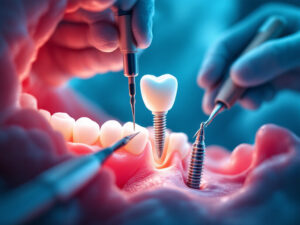
When you’re relaxed under sedation, your implant dentist can place screws and abutments without unnecessary interruptions. A steady patient allows precise alignment of the implant into your jawbone, supporting better osseointegration and reducing the chance of early failure. This precision is particularly important if you’re having a bone graft & implant restoration procedure or adding support for implant supported dentures.
Sedation also reduces muscle tension. If you’ve ever been unable to keep your mouth open or found it hard to stay still during a complex extraction & implant appointment, you’ll appreciate how sedation creates a more controllable setting. Less tension means your dentist can access critical areas like your sinus or nerve canals more safely.
For multi-stage treatments—such as placing a graft, waiting for bone to heal, and later placing your final crowns—sedation ensures each visit feels as seamless as the last. You won’t associate these appointments with fear or pain, which encourages you to stay on schedule and complete your full mouth reconstruction on time.
Ensuring safety and monitoring
Your safety under sedation is the top priority. Dentists who offer sedation dentistry services follow strict guidelines from organizations like the American Dental Association and the American Society of Dentist Anesthesiologists. They undergo specialized training to administer sedatives and monitor your vital signs throughout the procedure [1].
Continuous monitoring includes tracking your heart rate, blood pressure, oxygen levels, and breathing. Emergency equipment—such as oxygen tanks and defibrillators—must be readily available in the implant surgery clinic. Your dentist or an assisting anesthetist adjusts sedation levels on the fly to maintain optimum safety and comfort [2].
If your medical history includes conditions like sleep apnea, heart disease, or chronic respiratory issues, your implant dentist with sedation will tailor the plan accordingly. Preoperative screenings and clear communication about any allergies or medications you take help prevent adverse events. You’ll feel confident knowing that every precaution has been taken to protect your health.
Preparing for sedation dentistry
Preparation plays a key role in a smooth sedation experience. Your dentist will provide detailed pre-procedure instructions to optimize safety and sedation effectiveness. Generally, you’ll be asked to avoid eating or drinking for six to eight hours before your appointment to reduce the risk of nausea.
It’s important to arrange for a responsible adult to drive you home and stay with you for several hours. You may feel groggy or disoriented after sedation, so having someone familiar close by ensures you’re monitored in the critical immediate recovery period. Dress in loose, comfortable clothing and leave jewelry or valuables at home to make the visit as stress-free as possible.
Your implant dentist may also review any medications you’re taking and adjust prescriptions as needed. Blood thinners, for example, can affect bleeding risk during implant placement or wisdom tooth extraction. Following these guidelines helps your sedation dentistry team focus on delivering the best care for your implants or surgical extractions.
Recovery and aftercare
After sedation wears off, you may experience mild side effects such as dry mouth, headache, or temporary nausea. These symptoms usually resolve within a few hours, and most patients return to their normal activities within 24 hours by following their dentist’s aftercare plan [2].
Your aftercare instructions will cover pain management, oral hygiene, and dietary guidelines. You might be advised to stick to a soft diet for several days, avoiding crunchy or hard foods that could irritate the implant site. If you’ve had a sedated tooth extraction alongside your implant, gentle rinsing and careful brushing around the surgical area are essential.
Stay well hydrated to help your body clear sedation drugs and support healing. Ice packs and prescribed medications will keep swelling and discomfort under control. If you notice unusual pain, persistent bleeding, or signs of infection, contact your oral surgery dentist or implant prosthetics dentist immediately for evaluation.
Finding the right implant dentist
Selecting a qualified implant dentist with sedation is crucial for achieving lasting results and a stress-free experience. Start by verifying credentials—look for specialists who have advanced training in sedation techniques and implantology. Many patients choose an implant specialist clinic that offers a full suite of surgical dental services, from bone grafting to final restorations.
Read reviews and ask for before-and-after photos of previous cases. A reputable dental implants dentist will be transparent about success rates and the types of sedation used. If you struggle with dental fear, seek a provider featured on a sedation dentistry for anxious patients page who understands your concerns and has a patient-centered approach.
Finally, tour the facility to ensure it’s equipped for both implants and sedation. You might discover that your chosen clinic also handles implant and restoration clinic services, bone graft & implant restoration, or even full mouth reconstruction. Having all phases of your treatment under one roof simplifies scheduling and fosters continuity of care.
Sedation dentistry unlocks a calmer path to a healthy, confident smile. By understanding your options and working with a skilled implant dentist with sedation, you’ll experience greater comfort, less anxiety, and more efficient procedures. If you’re ready to explore sedation-assisted implants, contact your chosen provider today to schedule a consultation. Your journey toward a functional, beautiful smile shouldn’t be hindered by fear or discomfort—sedation dentistry makes it possible.